UPS System Acceptance
A load bank for UPS testing applies controlled electrical load during acceptance testing, helping engineers confirm that the UPS system meets project requirements before handover.
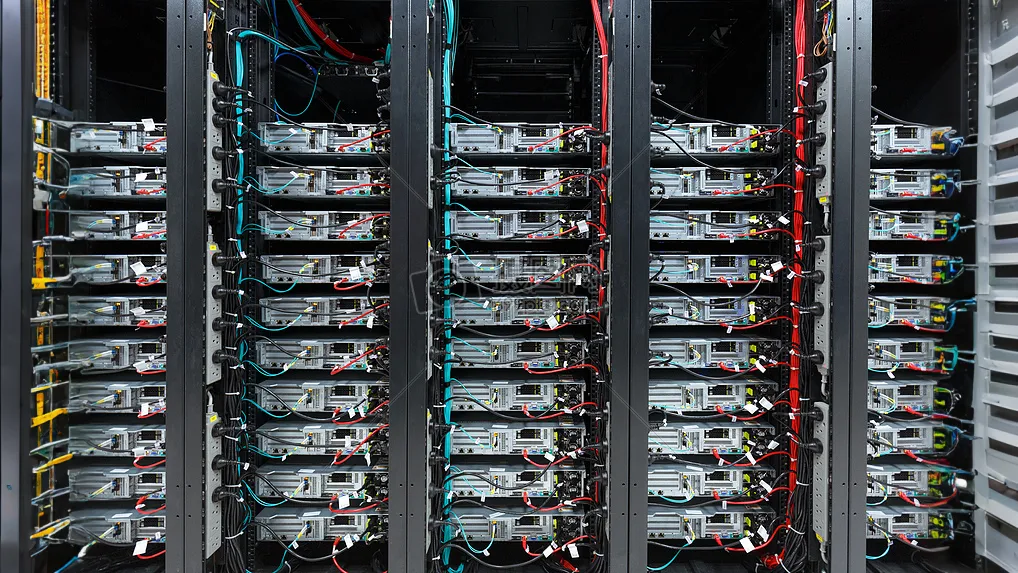
UPS load bank testing verifies whether a UPS system can support real electrical load during commissioning, battery discharge testing, maintenance, and data center backup power validation.
LBT Power provides AC and DC load banks for UPS testing, with custom voltage, power rating, load steps, control options, and test duration support for critical facilities.
UPS load bank testing applies a controlled electrical load to a UPS system or battery system to confirm that backup power equipment can operate under real load conditions. Instead of waiting for an outage, engineers use a load bank to simulate expected facility load and monitor UPS output, voltage stability, frequency, current, temperature, battery runtime, and transfer performance.
For UPS output testing, an AC load bank is typically connected to the UPS output or downstream power path. For UPS battery discharge testing, a DC load bank may be used to verify battery capacity and runtime under controlled discharge conditions.
A load bank for UPS testing applies controlled electrical load during acceptance testing, helping engineers confirm that the UPS system meets project requirements before handover.
Load banks support UPS transfer verification by simulating load conditions during mains failure, bypass operation, battery takeover, generator coordination, and return-to-normal sequences.
Load banks help verify UPS output capacity and support maintenance testing, so facility teams can identify performance issues before critical equipment is exposed to real operating risk.
UPS load testing is useful whenever backup power must be proven before real critical load is connected or before an operating facility depends on the system during an outage.
Verify UPS performance before the facility, data hall, industrial site, or critical system goes live. Load banks make it possible to test capacity and transfer behavior without using production equipment as the test load.
Confirm runtime, voltage drop, and battery health under controlled load. This is especially important when battery systems look normal at rest but may not deliver the required energy under real demand.
Detect weak batteries, unstable output, overheating, or capacity degradation before an actual outage exposes the issue.
Validate UPS, PDU, switchgear, generator, and load transfer behavior under realistic load before IT equipment is installed or expanded.
The exact method depends on the UPS design, site condition, test purpose, and safety plan, but a typical UPS load test follows a staged process.
| Step | Action | What to Monitor |
|---|---|---|
| 1 | Confirm UPS rating, voltage, test duration, load steps, and load bank capacity. | kVA/kW rating, voltage, phase, cable route, ventilation, heat rejection area. |
| 2 | Connect the load bank according to the approved method of procedure. | Connection point, grounding, cable temperature, breaker rating, site safety. |
| 3 | Apply load gradually, such as 25%, 50%, 75%, and 100%. | UPS output voltage, frequency, current, temperature, alarms, and fan response. |
| 4 | Hold the required load for the specified test duration. | Runtime, stability, battery discharge curve, thermal behavior, and alarm history. |
| 5 | Unload safely, record test data, and inspect the UPS after testing. | Test report, abnormal alarms, weak battery strings, recovery behavior. |
One common question is whether UPS testing requires an AC load bank or a DC load bank. The answer depends on whether the test is focused on UPS output performance or battery discharge capacity.
| Testing Need | Recommended Load Bank | What It Validates |
|---|---|---|
| UPS output test | AC resistive load bank | UPS output stability, transfer performance, and system capacity. |
| UPS battery discharge test | DC load bank | Battery runtime, voltage drop, capacity, and weak battery strings. |
| Data center backup power test | AC load bank or container load bank | UPS, PDU, switchgear, generator, and load transfer chain. |
| Power factor or dynamic response test | Resistive-reactive or RLC load bank | UPS behavior under different power factor or changing load conditions. |
UPS load bank testing is used throughout the equipment lifecycle, from factory acceptance to site commissioning, blackout simulation, and routine preventative maintenance.
Battery capacity testing confirms whether the UPS battery system can provide the required backup time during utility power failure. A DC load bank or suitable UPS load bank applies a stable discharge load while engineers monitor voltage, current, temperature, runtime, and battery string performance.
UPS systems must respond quickly when the connected load changes. A dynamic load test applies sudden load steps to observe voltage recovery, frequency stability, inverter response, bypass transfer behavior, and alarm functions under controlled conditions.
Factory Acceptance Testing is performed before the UPS system is shipped to the project site. A load bank can simulate rated load, partial load, overload conditions, and different operating modes to confirm the system meets technical and contractual requirements.
Site Acceptance Testing verifies the installed UPS system in its real electrical environment. Load banks help test the UPS together with cables, switchgear, breakers, battery systems, PDUs, and other site infrastructure before critical equipment is connected.
A blackout simulation test confirms how the UPS behaves during complete loss of utility power. The load bank acts as the critical load while the test team verifies battery takeover, transfer performance, runtime, alarm signals, and system recovery after power restoration.
UPS preventative maintenance testing helps facility teams identify problems before they become real failures. Regular load bank testing can reveal battery degradation, inverter issues, loose connections, overheating, or capacity limitations.
Different UPS environments require different load bank configurations. These options cover system-level testing, battery discharge testing, cabinet-level simulation, and high-density data center validation.
Used to apply controlled AC load to the UPS output for commissioning, maintenance, capacity verification, and system performance testing.
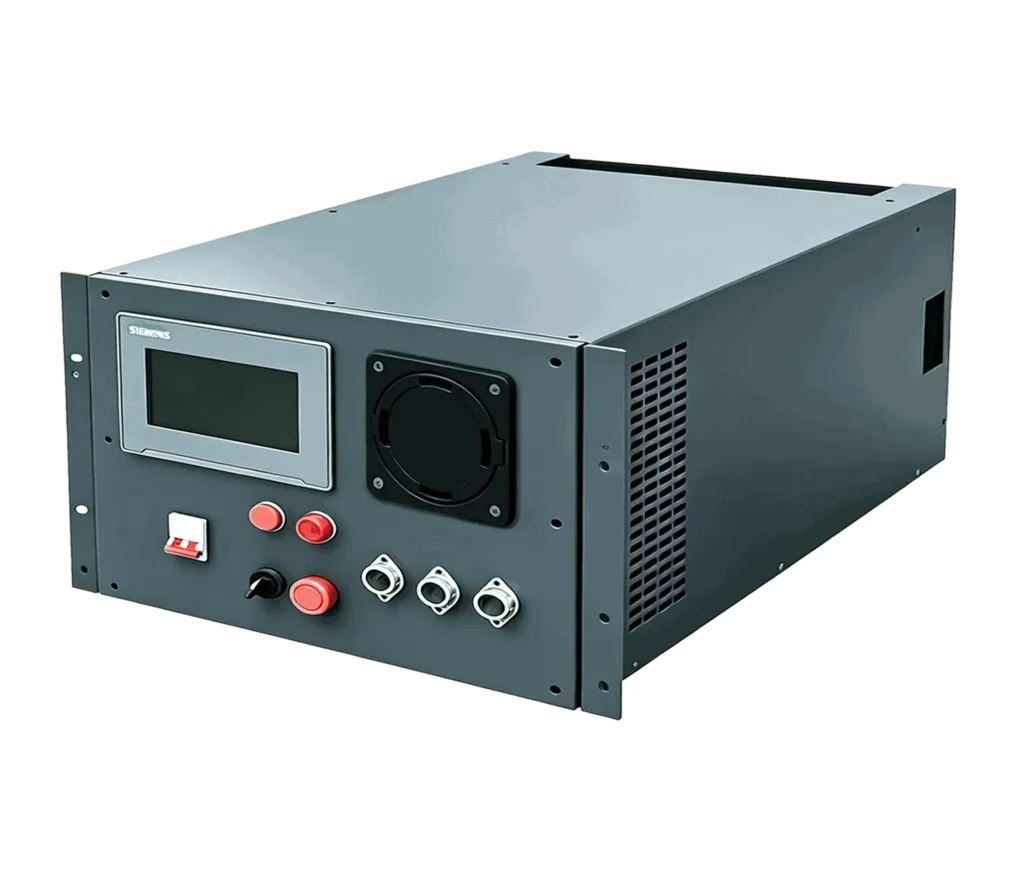
Suitable for direct UPS battery discharge testing when the goal is to evaluate battery capacity, string health, and actual backup runtime.
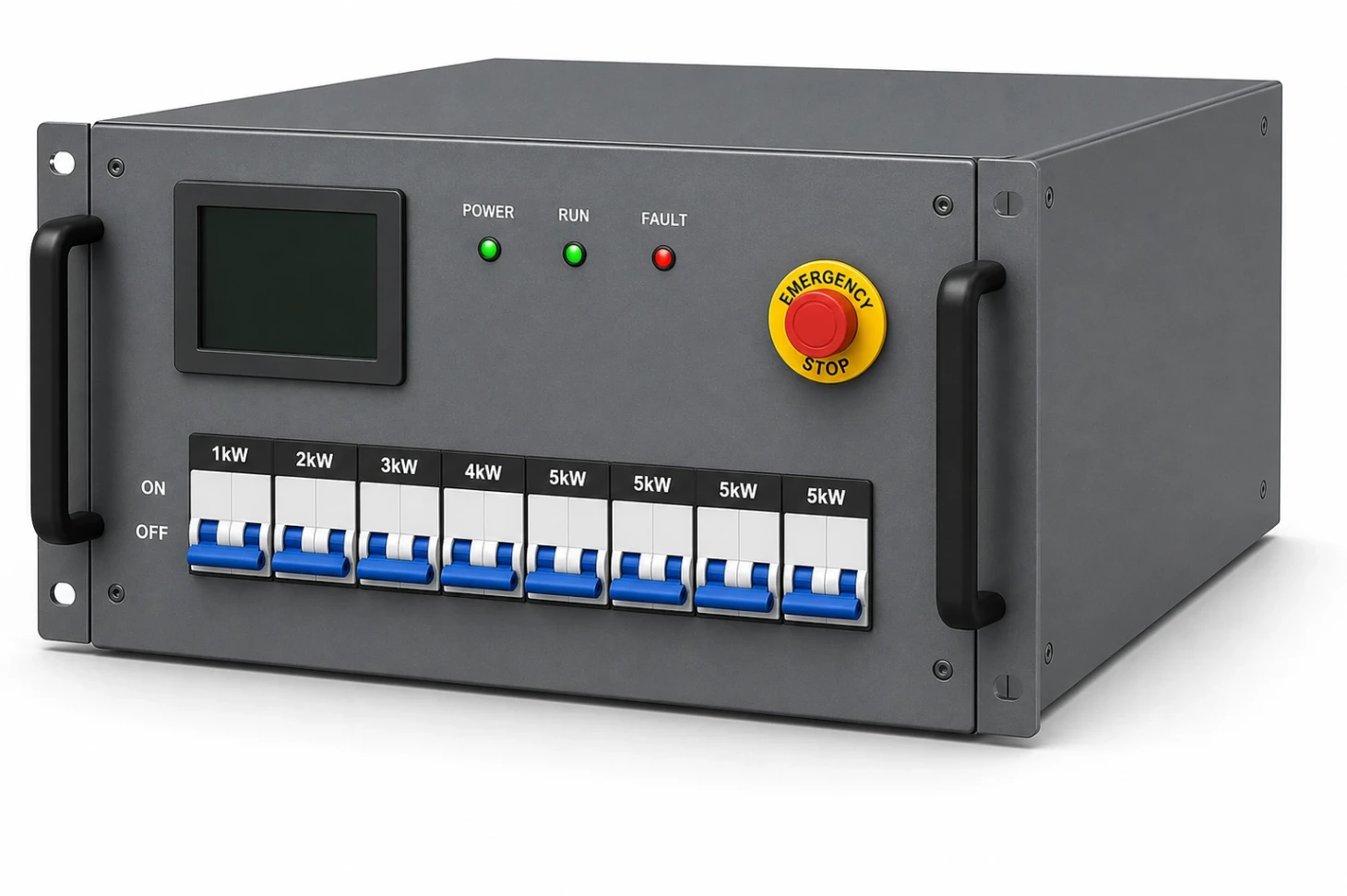
Designed for data center cabinet-level testing, PDU checks, branch circuit verification, and server rack load simulation.
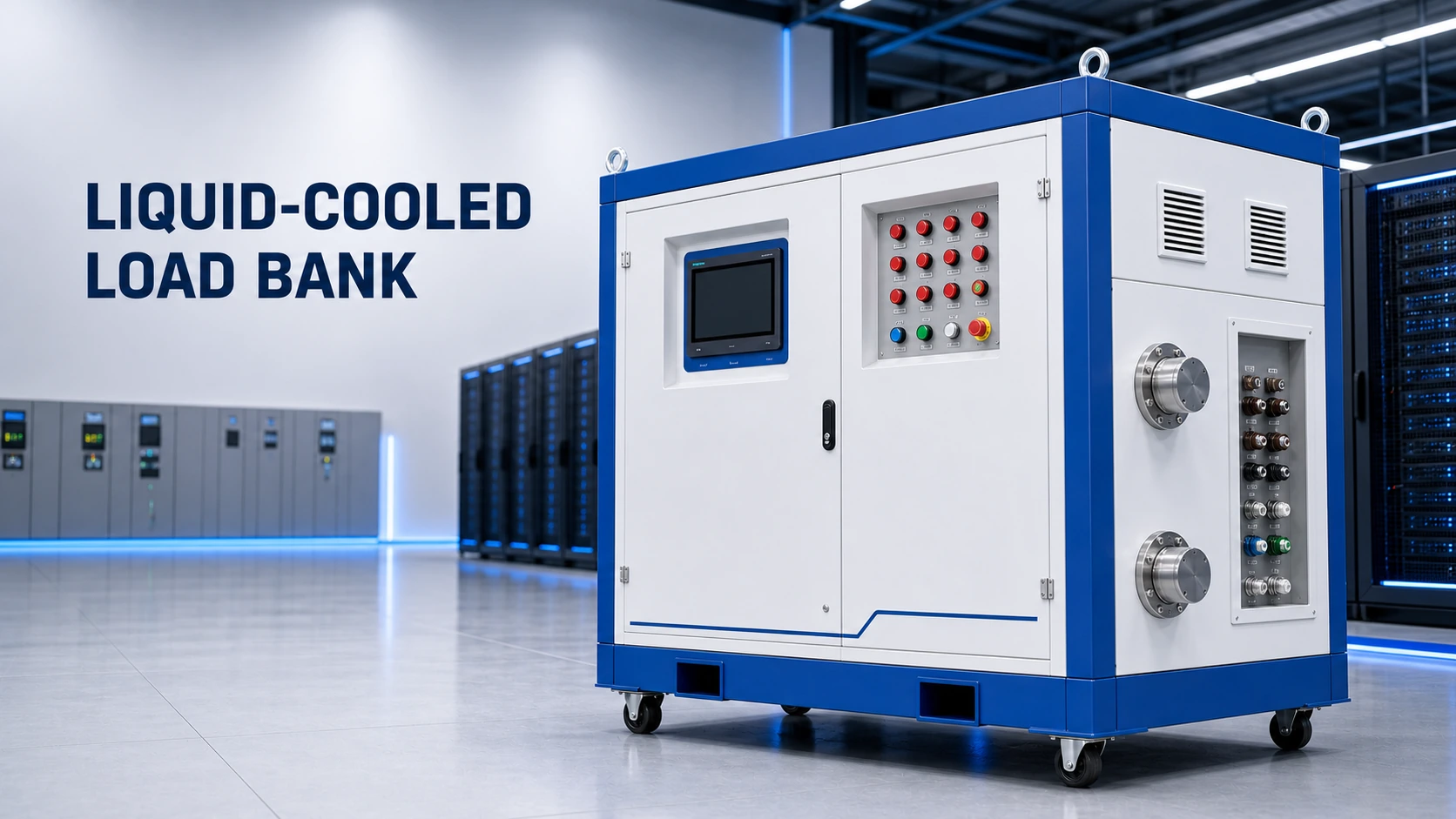
Used for high-density data centers, liquid-cooled racks, CDU validation, and power and cooling infrastructure commissioning.
In data center commissioning, UPS load bank testing is often part of a wider integrated systems test. The load bank can help validate UPS capacity, PDU distribution, generator transfer behavior, switchgear operation, and backup power readiness before IT equipment is installed.
For AI data centers and high-density facilities, UPS testing should be planned together with heat load simulation, CDU testing, and generator load testing so electrical and cooling systems are validated before servers go live.
Use load banks to verify UPS output and downstream distribution paths before real IT equipment is connected.
Simulate backup power operation and confirm the transition from utility to UPS and generator support.
Support L4/L5-style testing where power, controls, alarms, and operating procedures must work together under load.
To recommend the correct UPS testing load bank, send the following information to the LBT Power engineering team.
| Information | Example |
|---|---|
| UPS capacity | 200kVA, 500kVA, 1MW, or custom. |
| Voltage and phase | 400V, 480V, 50/60Hz, AC or DC. |
| Test purpose | Commissioning, battery discharge, maintenance, FAT, SAT, or data center acceptance. |
| Test duration | 15 minutes, 1 hour, 4 hours, or project-specific. |
| Load steps | 25%, 50%, 75%, 100%, or custom step resolution. |
| Site condition | Indoor, outdoor, containerized, limited ventilation, or remote monitoring requirement. |
Common questions about UPS load bank testing, battery discharge testing, and data center UPS validation.
An AC load bank is commonly used to test UPS output and the downstream power path. A DC load bank is used when the main purpose is UPS battery discharge testing or battery runtime validation.
Yes. A load bank can apply a controlled load to evaluate battery discharge behavior, runtime, voltage drop, and battery capacity under planned test conditions.
Yes. Data center commissioning often uses load banks to validate UPS capacity, PDU distribution, generator transfer, and backup power performance before IT equipment goes live.
Common load steps include 25%, 50%, 75%, and 100% of the planned test load, but the exact profile depends on the UPS rating, commissioning plan, and site safety requirements.
Send UPS capacity, voltage, AC or DC testing need, test duration, load step requirement, site condition, and whether data logging or report export is required.
Yes. Rack-mounted load banks are commonly used in data centers to simulate cabinet-level IT loads and verify UPS distribution paths, PDUs, branch circuits, and cooling performance.
Liquid-cooled load banks are useful for high-density data centers where heat removal through air cooling is limited or where liquid cooling infrastructure needs to be tested before server deployment.
Share your UPS capacity, voltage, runtime target, load step requirement, test purpose, and site environment. Our engineering team can recommend a suitable AC or DC load bank configuration.
Discuss UPS load bank capacity, voltage, runtime, transport, cooling, and commissioning requirements.
Request a QuoteGet help choosing AC output testing, DC battery discharge testing, or a combined test configuration.
Send Test DetailsExplore guides for UPS testing, generator testing, rack-mounted load banks, and data center commissioning.
Browse Resources