

Bidirvolt builds custom load bank systems that turn power and cooling uncertainty into measurable test data before data centers, generators, UPS systems and critical infrastructure go live.
A dual source load bank is not just another data center load bank. It is built for A/B power path validation, UPS transfer testing, PDU dual feeder commissioning, STS/ATS transfer tests, and redundant power path load testing in one controlled system.
Bidirvolt configures dual input load banks for data center commissioning teams that need cleaner source comparison, safer cable layout, and time-aligned records instead of moving one unit between two feeds or coordinating two separate rentals.
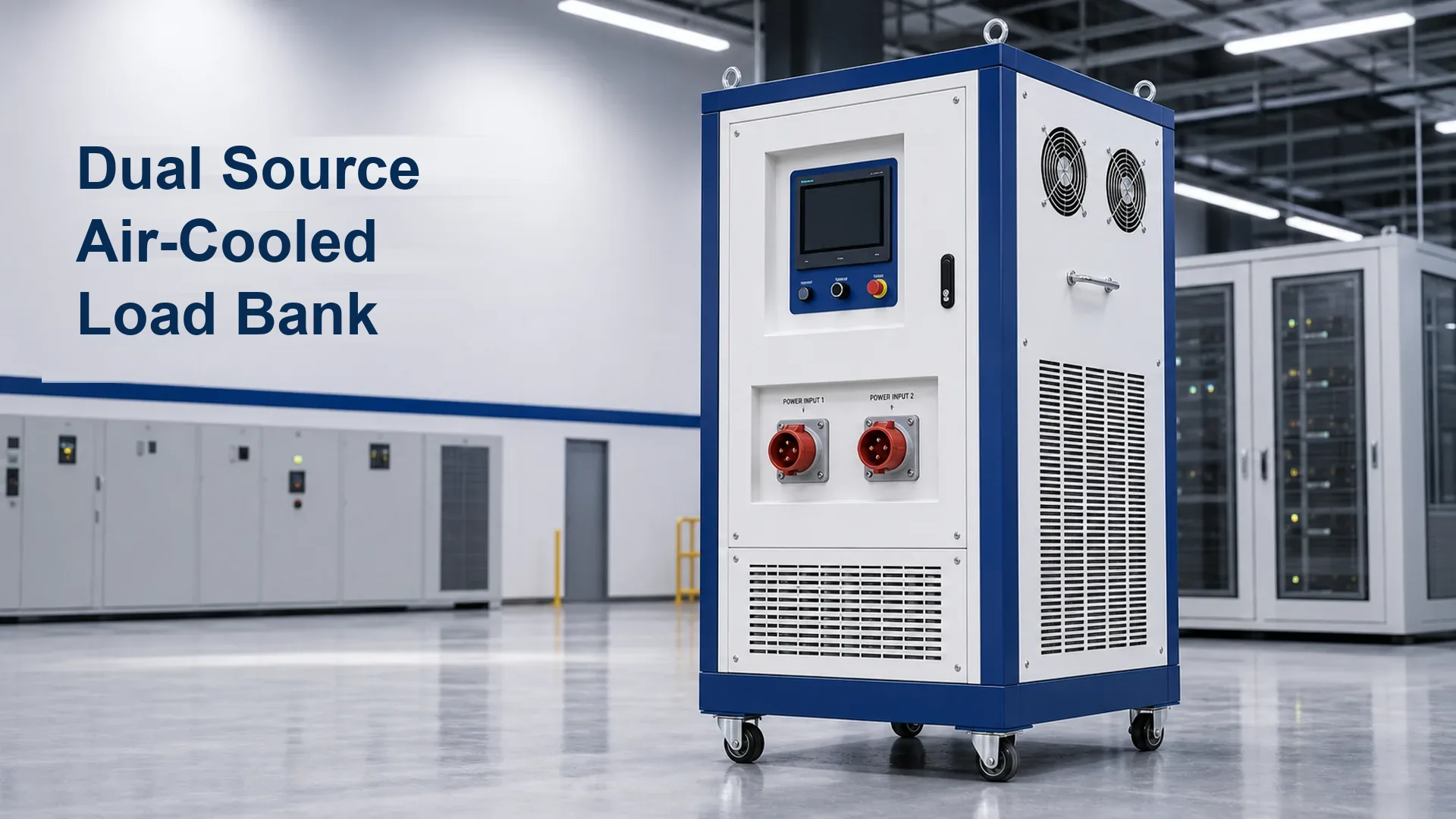
A dual source load bank is a load testing system with two independent input channels for Source A and Source B. It is used when the test goal is not only total kW, but whether two redundant feeds can carry, transfer, and recover load correctly.
In data centers, the same equipment may also be described as a dual input load bank, dual feeder load bank, A/B power load bank, or redundant power load bank. The important difference is per-source control and reporting during commissioning.
If you are searching for a generic data center load bank, you may only need heat load or UPS capacity testing. This page is for the narrower problem: proving that redundant A and B power paths work under load before the white space goes live.
Use one system to load Source A, Source B, or both paths and compare voltage, current, kW, transfer events, and alarms.
Validate UPS redundancy, bypass behavior, voltage dip, recovery, and continuity during planned failure or transfer sequences.
Check whether each feeder, branch circuit, and rack power path can support staged commissioning load without imbalance.
Test static transfer switch and automatic transfer switch behavior with real electrical load instead of a no-load simulation.
Modern data centers use dual UPS systems, A/B rack feeds, redundant PDUs, STS/ATS switching, and backup generator paths. Testing one feed at a time may prove the equipment individually, but it can miss interaction problems during dual power path commissioning.
A dual source load bank helps commissioning teams verify both paths with controlled, repeatable electrical load. That makes it easier to capture per-source measurements, compare A and B feeds, and prove redundancy before the facility goes live.
Testing Source A and Source B separately can miss transfer response, load sharing, source imbalance, and thermal behavior when both paths are active.
Two standard load banks mean more transport, more cabling, more calibration records, more operators, and more floor space.
A common load may show total kW, but it does not always give clean per-source records for UPS, PDU, STS, ATS, and generator feeder verification.
Commissioning teams need voltage, current, kW, temperature, transfer timing, and alarm records that can be attached to handover reports.
Confirm Source A and Source B voltage, phase, frequency, target load, breaker rating, cable route, and whether the test is UPS, PDU, STS/ATS, or generator focused.
Connect Source A and Source B to isolated channels according to the approved method of procedure and safety boundary.
Apply planned load steps to one channel, both channels, or A and B feed transfer scenarios while recording voltage, current, power, temperature, and alarms.
Run STS/ATS or UPS failover sequences and confirm load continuity, transfer timing, voltage dip, recovery behavior, and alarm response.
Use per-channel data to support commissioning reports, deficiency tracking, owner witness testing, and final sign-off.
| Parameter | Two Standard Load Banks | Bidirvolt Dual Source Load Bank |
|---|---|---|
| Enclosure count | 2 | 1 |
| Floor footprint | Two separate units | One compact cabinet |
| Cable runs | Separate routing per unit | Organized Source A / Source B routing |
| Control interface | Two panels or controllers | One HMI for both channels |
| Simultaneous test | More operator coordination | Single-operator coordinated test |
| Per-channel data logging | Manual data merge required | Time-aligned Source A / Source B records |
| Commissioning report | Separate files | Cleaner source comparison |
| Transport and rigging | Two shipments or rentals | One configured shipment |
Verify UPS redundancy, bypass transfer, output stability, and load continuity under controlled load.
Confirm each PDU feeder can carry design load and that A/B power paths remain balanced during staged testing.
Simulate transfer between normal and alternate sources while tracking voltage dip, continuity, and event timing.
Each dual source load bank is configured from the project schedule, source rating, feeder arrangement, reporting requirements, and site constraints. Power, voltage, cooling method, enclosure rating, channel isolation, and communication protocol are confirmed before production.
Typical options are listed below. Final specifications are confirmed before quotation.
| Parameter | Range / Option |
|---|---|
| Rated power range | Project-specific kW or kVA rating according to Source A/B capacity and test duration |
| Channel design | Two electrically isolated input channels for Source A and Source B with project-specific load distribution |
| Voltage range (AC) | 380 V - 690 V, 50/60 Hz |
| Voltage range (DC) | 24 V - 1,000 V |
| Cooling | Forced air or liquid-cooled configuration |
| Enclosure rating | Indoor or outdoor enclosure according to site requirement |
| Control | Local HMI with optional remote communication |
| Data logging | Per-channel voltage, current, power, temperature, and event record export |
| Documentation | FAT records, wiring drawings, user manual, and compliance documents on request |
Share Source A/B voltage, load range, test scenario, site condition, and schedule. We confirm whether the project needs a dual input load bank, dual feeder load bank, or another custom configuration before quotation.
Our engineers create electrical and mechanical drawings for review before manufacturing starts.
The load bank is assembled with project-specific wiring, channel design, control logic, and enclosure configuration.
FAT can document voltage, current, power, temperature, switching timing, and channel operation before shipment.
Global shipping with protective crating. Site commissioning support is available for projects that need supervision or operator training.
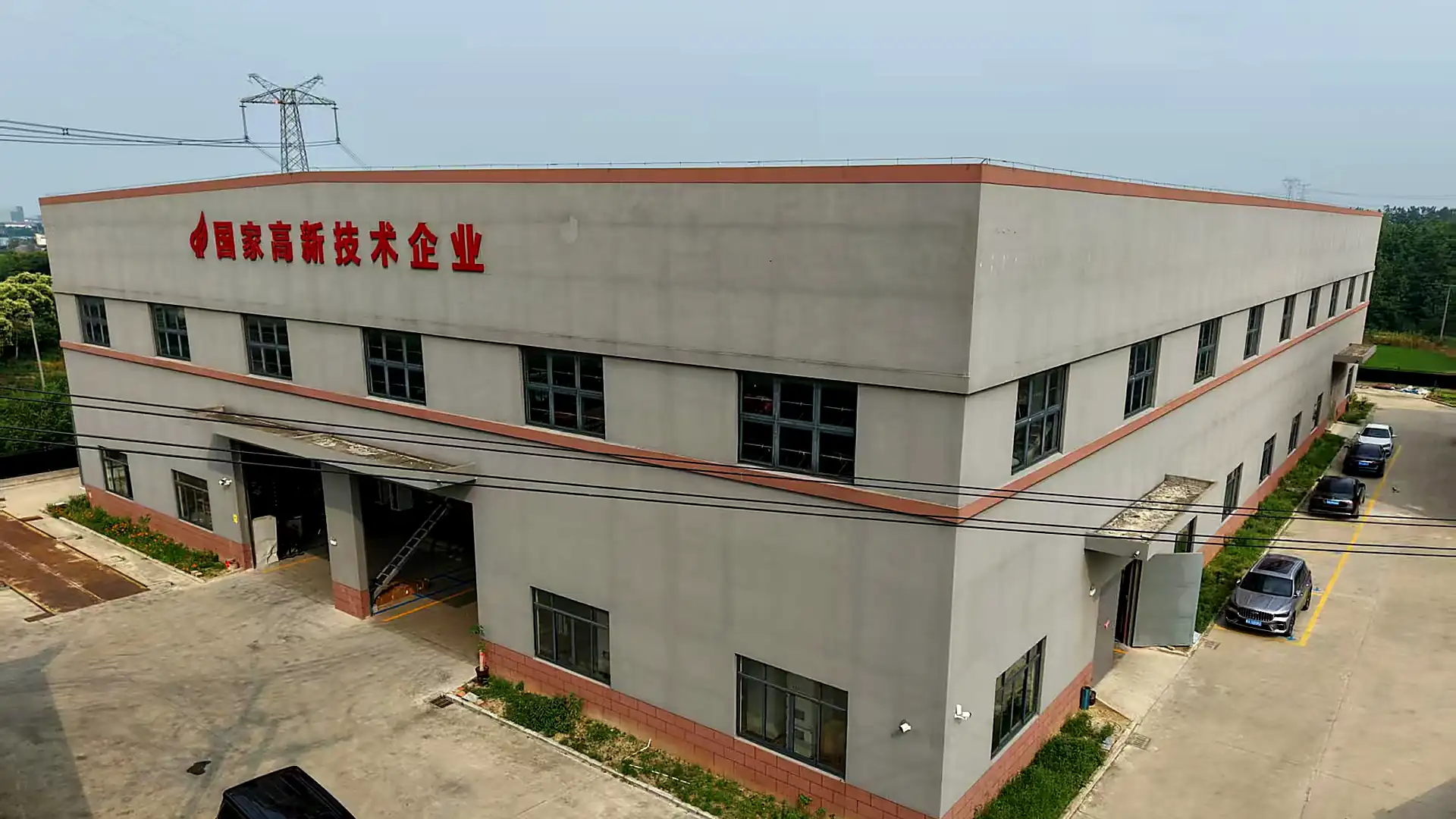
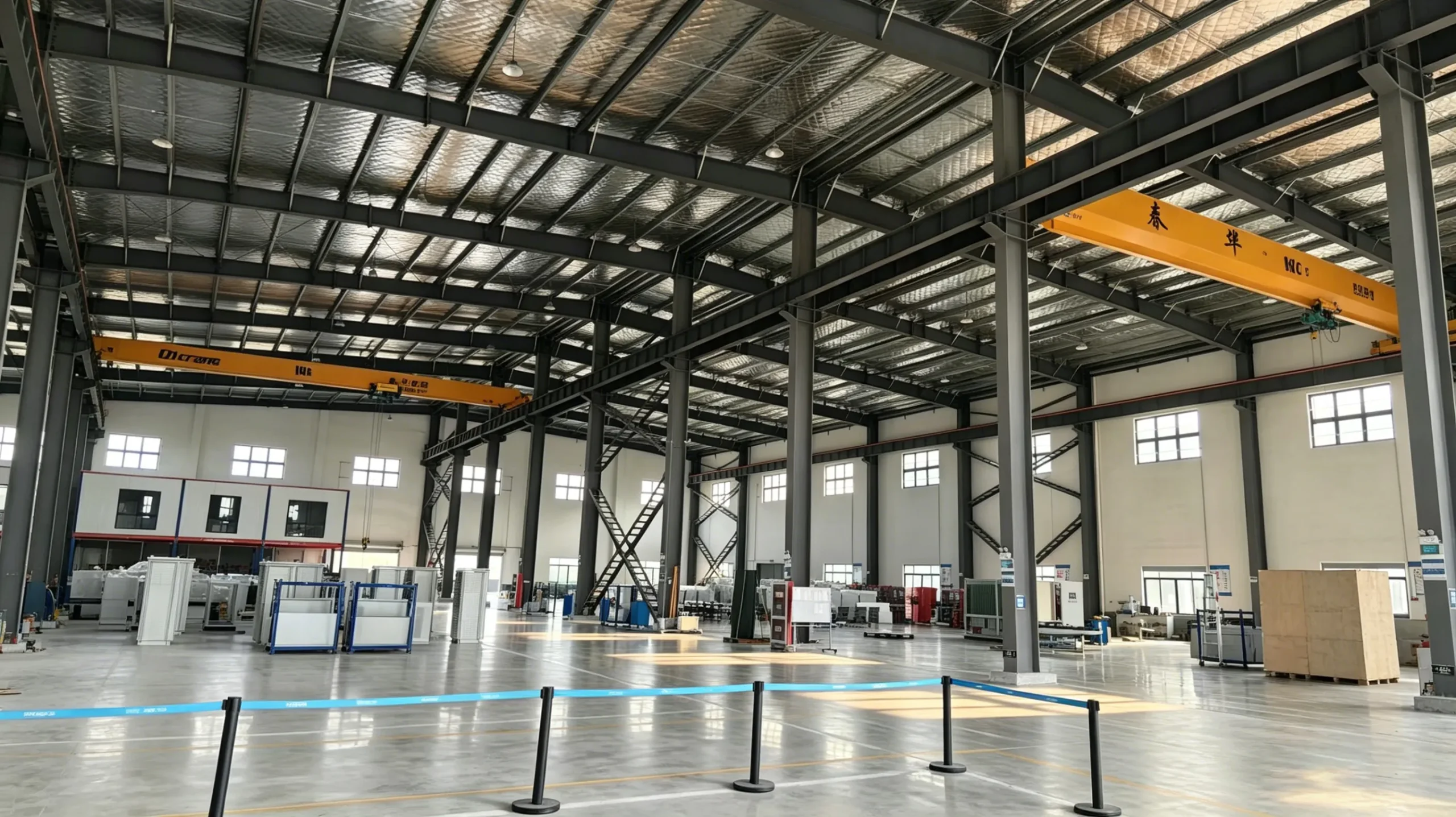
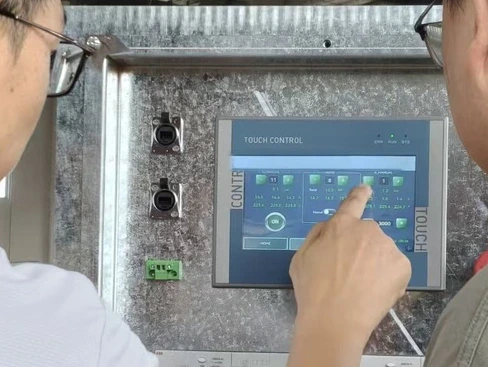
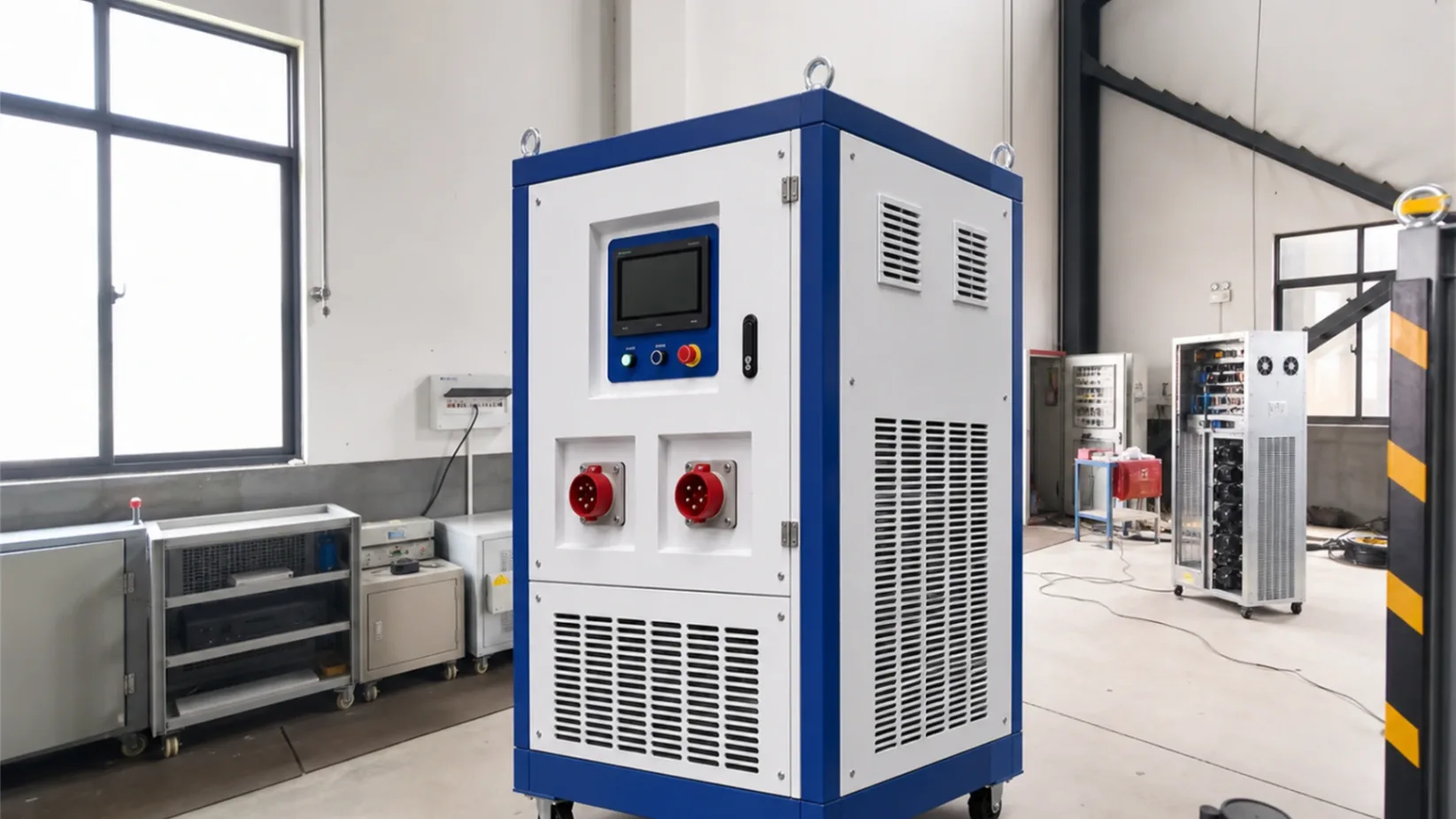
Custom load bank engineering and factory testing before shipment.
Documentation can include drawings, FAT records, user manuals, and project-specific test records.
It is used to test two independent power sources, such as UPS A/B paths, PDU dual feeders, STS/ATS transfer sources, or generator feeders, under controlled electrical load.
No. Two standard units can test two sources, but a dual source load bank provides a single configured cabinet, coordinated control, organized cabling, and cleaner per-source records for commissioning.
Yes. It is especially useful for data center A/B power path testing, UPS failover testing, PDU commissioning, STS/ATS transfer tests, and critical power redundancy testing.
Yes. It can be configured for static transfer switch testing and automatic transfer switch testing where the commissioning team needs controlled load, transfer timing, and event records.
Choose a dual input load bank when the project needs A and B feed load bank testing, redundant power path validation, or separate Source A / Source B records from the same commissioning setup.
Send Source A/B voltage, AC or DC requirement, target kW, test scenario, load steps, test duration, indoor/outdoor condition, and reporting requirements.
Yes. FAT records, wiring drawings, operation manuals, and project-specific documentation can be prepared according to the confirmed configuration.
Plan load bank testing for data center power, cooling, UPS, PDU, generator, and commissioning systems.
View data center load bank testing solutionReview UPS load bank testing procedures for backup power, battery runtime, transfer stability, and commissioning.
View UPS load bank testing guideTest generator load pickup, stability, wet stacking prevention, and backup power readiness under controlled load.
View generator load bank testingUse containerized load banks for higher-capacity data center, generator, UPS, and outdoor commissioning tests.
View container load bank optionsUse the checklist to plan L5 testing, PDU commissioning, heat load testing, CDU validation, and load bank setup.
View commissioning checklistSend source A/B voltage, target load, test duration, site condition, and reporting requirements for a configuration review.
Request a dual source load bank quoteTell us your Source A/B voltage, target load, test scenario, site environment, and required report format. We will review whether the project needs A/B power path testing, UPS transfer testing, PDU dual feeder validation, or STS/ATS transfer testing support.
Recommended details: Source A/B voltage, AC or DC, target kW, load steps, test duration, indoor/outdoor condition, and reporting requirements.