

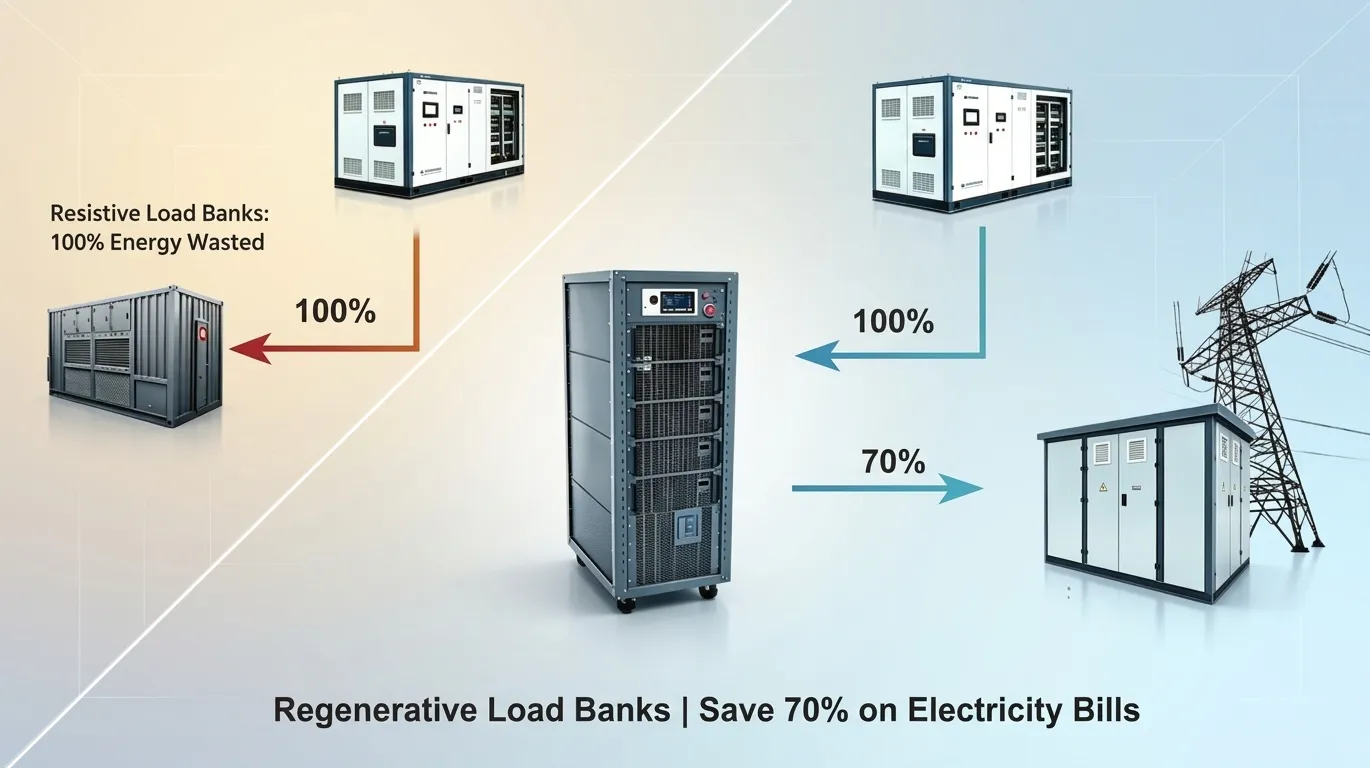
Regenerative Battery Tester Supplier for ESS, UPS and Data Centre Battery Testing
Bidirvolt supplies regenerative charge/discharge battery testers for ESS packs, UPS battery strings and industrial battery systems, with grid energy feedback, programmable test modes and exportable test records.
What a Regenerative Battery Tester Does
A regenerative battery tester applies controlled charge and discharge profiles to battery packs or battery strings. During discharge, usable energy is returned to the facility grid instead of being converted into heat by a resistor bank.
This makes the system suitable for long-duration ESS battery testing, UPS battery capacity tests, battery aging programs and factory acceptance testing where heat, noise and energy cost matter.
The tester records voltage, current, power, capacity, energy, cycle data and grid-side feedback metrics so engineers can build repeatable acceptance records.

Core Working Path
- Battery pack or UPS battery string connects to the DC input terminals.
- Control software runs CC, CV, CP, CR or dynamic charge/discharge steps.
- The DC bus is monitored for voltage, current, power and protection limits.
- Discharge energy is converted back to AC and synchronized with the grid.
- Test data is logged for capacity, SOH, cycle aging and acceptance reports.
Regenerative Battery Tester Specifications Buyers Should Confirm
For an accurate quotation, the supplier needs more than a model name. Confirm the electrical range, test sequence, communication interface, grid connection and report requirements before selecting equipment.
| Parameter | Typical Options | Why It Matters |
|---|---|---|
| Battery voltage range | 100V-800V DC, extended range by project | Must cover minimum, nominal and maximum pack voltage. |
| Charge / discharge power | 50kW-500kW per unit, parallel operation optional | Determines test duration, current rating and grid capacity. |
| Test modes | CC, CV, CP, CR, pulse and dynamic profiles | Matches capacity test, cycle life, aging and acceptance procedures. |
| Communication | Modbus RTU/TCP, TCP/IP, optional BMS integration | Allows automation, pack data collection and remote monitoring. |
| Grid connection | Project-specific AC voltage, frequency and protection logic | Energy feedback requires safe grid synchronization and interlocks. |
| Reports | PDF, Excel, CSV and timestamped test logs | Supports FAT, SAT, maintenance records and quality files. |
Battery Charge and Discharge Test Modes
CC / CV Testing
Run constant-current and constant-voltage charge or discharge steps for capacity verification, pack balancing checks and battery acceptance testing.
CP / CR Testing
Use constant-power or constant-resistance discharge to simulate operating loads for UPS batteries, ESS packs and industrial battery systems.
Pulse and Dynamic Profiles
Build custom step sequences for aging, transient response, PCS interaction and application-specific battery cycling.
Cycle Life and Aging
Repeat charge/discharge cycles, record capacity fade and build SOH trend data for battery development or maintenance programs.
BMS Data Integration
Align tester data with BMS voltage, temperature, alarm and status information when project communication protocols are provided.
Report Export
Export voltage, current, power, capacity, energy, cycle count and event logs for FAT, SAT and quality documentation.
Regenerative Battery Tester vs Traditional Discharge Load Bank
| Dimension | Regenerative Battery Tester | Traditional Dissipative Load Bank |
|---|---|---|
| Energy handling | Returns discharge energy to the grid when conditions allow. | Converts discharge energy into heat. |
| Heat load | Lower room heat during long-duration battery tests. | High heat output, often requiring ventilation or extra cooling. |
| Test data | Records cycle, capacity, energy, power and grid-side feedback data. | Usually focuses on discharge load and basic electrical readings. |
| Best use | ESS, UPS battery strings, pack cycling, aging and factory tests. | Simple discharge tests where energy recovery is not required. |
| Site requirement | Needs suitable AC grid connection and protection coordination. | Needs heat management, airflow and safe exhaust planning. |
Regenerative Battery Tester Manufacturer - Bidirvolt
Bidirvolt configures regenerative battery test systems around DC voltage, current, power, test sequence, interface and documentation requirements. The goal is a test system that matches the battery system, not only a catalog rating.
Custom DC Voltage Range
Configure the tester around battery pack voltage, UPS battery string voltage and ESS cabinet voltage windows.
Custom Power and Current
Select power rating and current capacity based on test duration, pack capacity and grid connection limits.
Custom DC Interface
Support busbar terminals, DC switchgear, cables, connectors and project-specific cabinet connections.
Custom Protocol
Use Modbus RTU/TCP, TCP/IP and project-specific communication requirements for test automation.
Custom Test Sequence
Prepare test steps for charge/discharge cycling, aging, acceptance and maintenance procedures.
Project Documentation
Provide wiring references, user instructions, FAT records and exportable test data according to project scope.
Factory Testing, Software Validation and Delivery Records
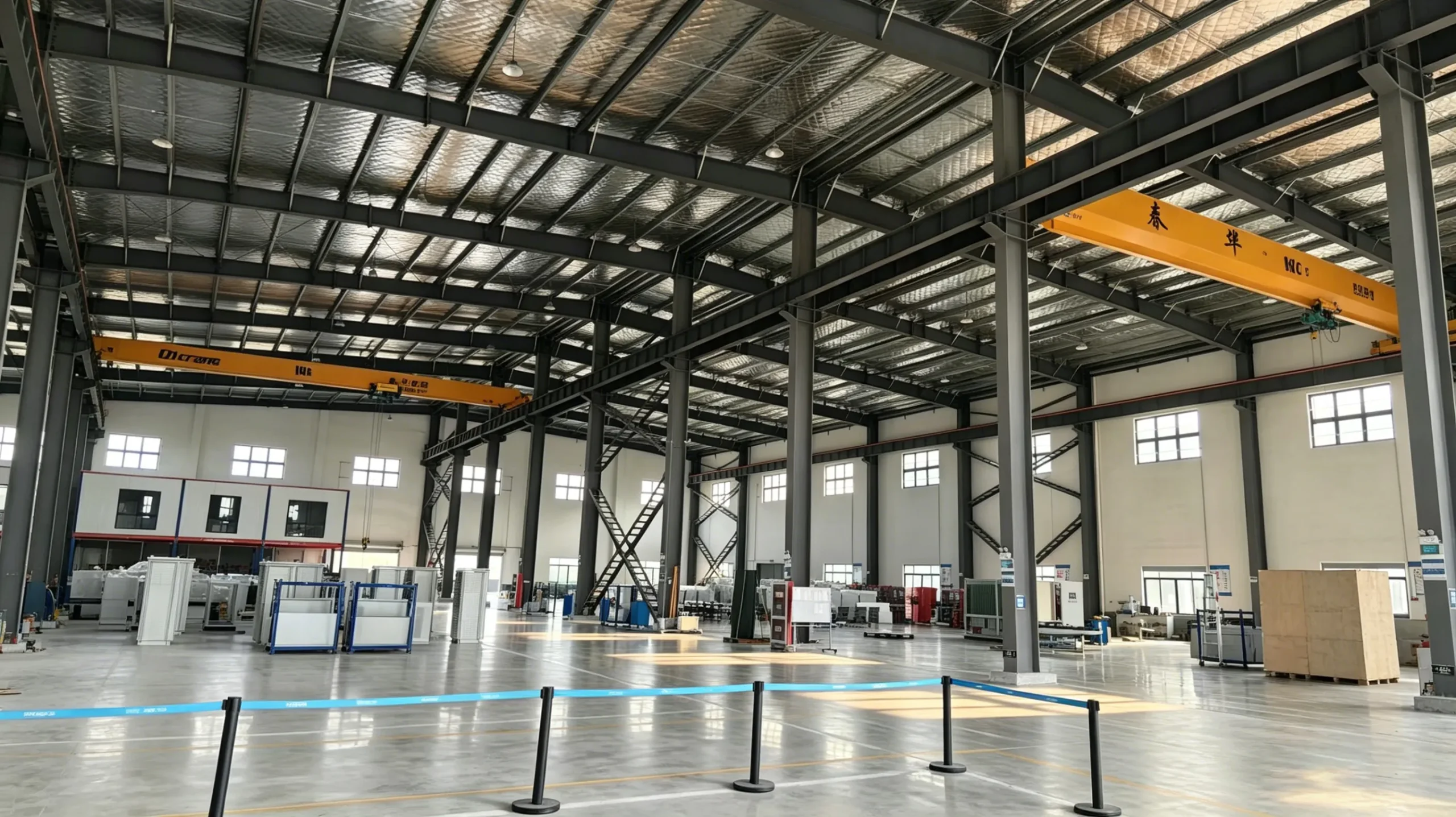
Manufacturing Workshop
Assembly, wiring inspection and quality checks are completed before shipment.
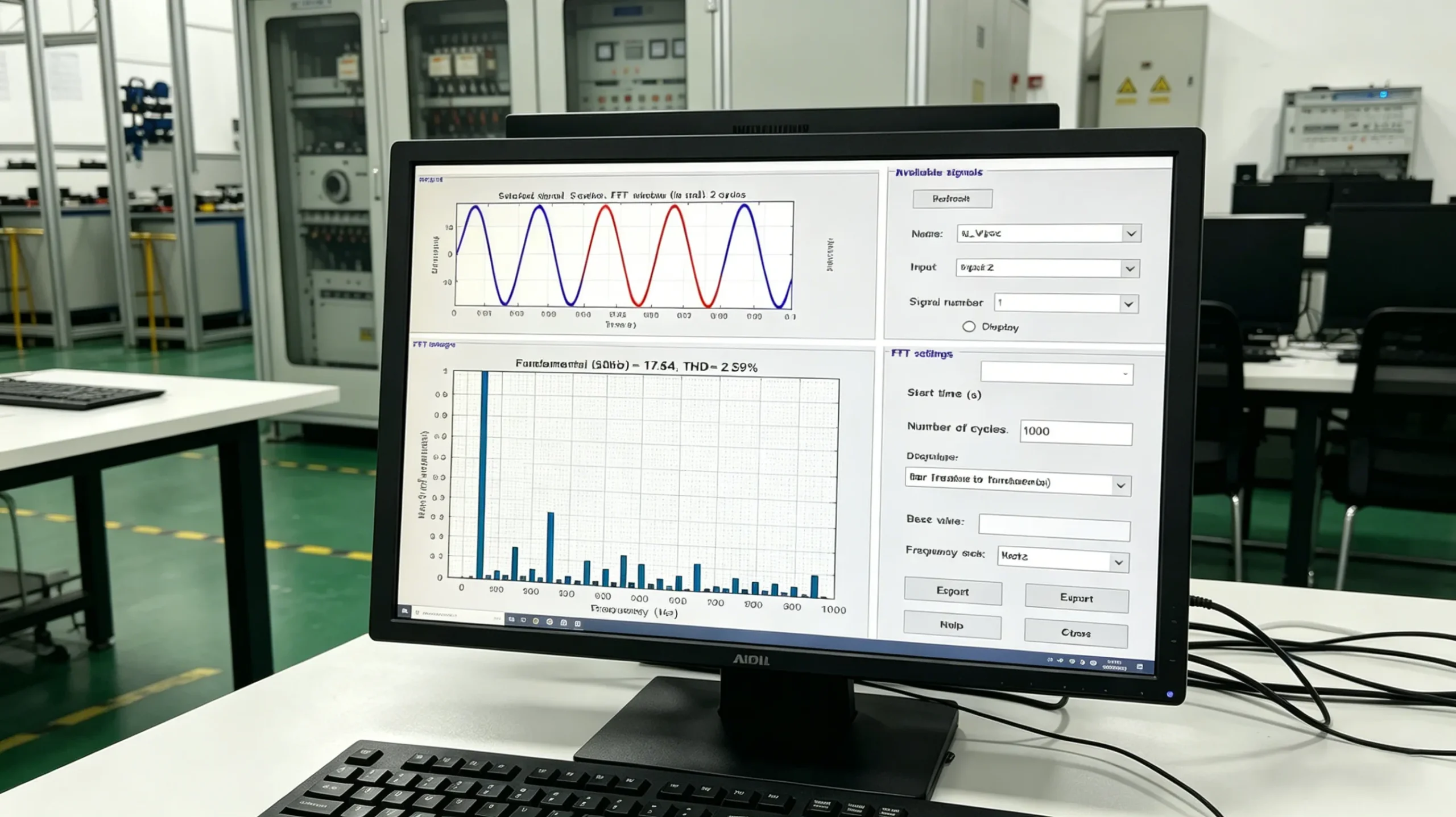
Grid Feedback Test
Grid synchronization, feedback behavior, protection response and power quality are checked during factory testing.
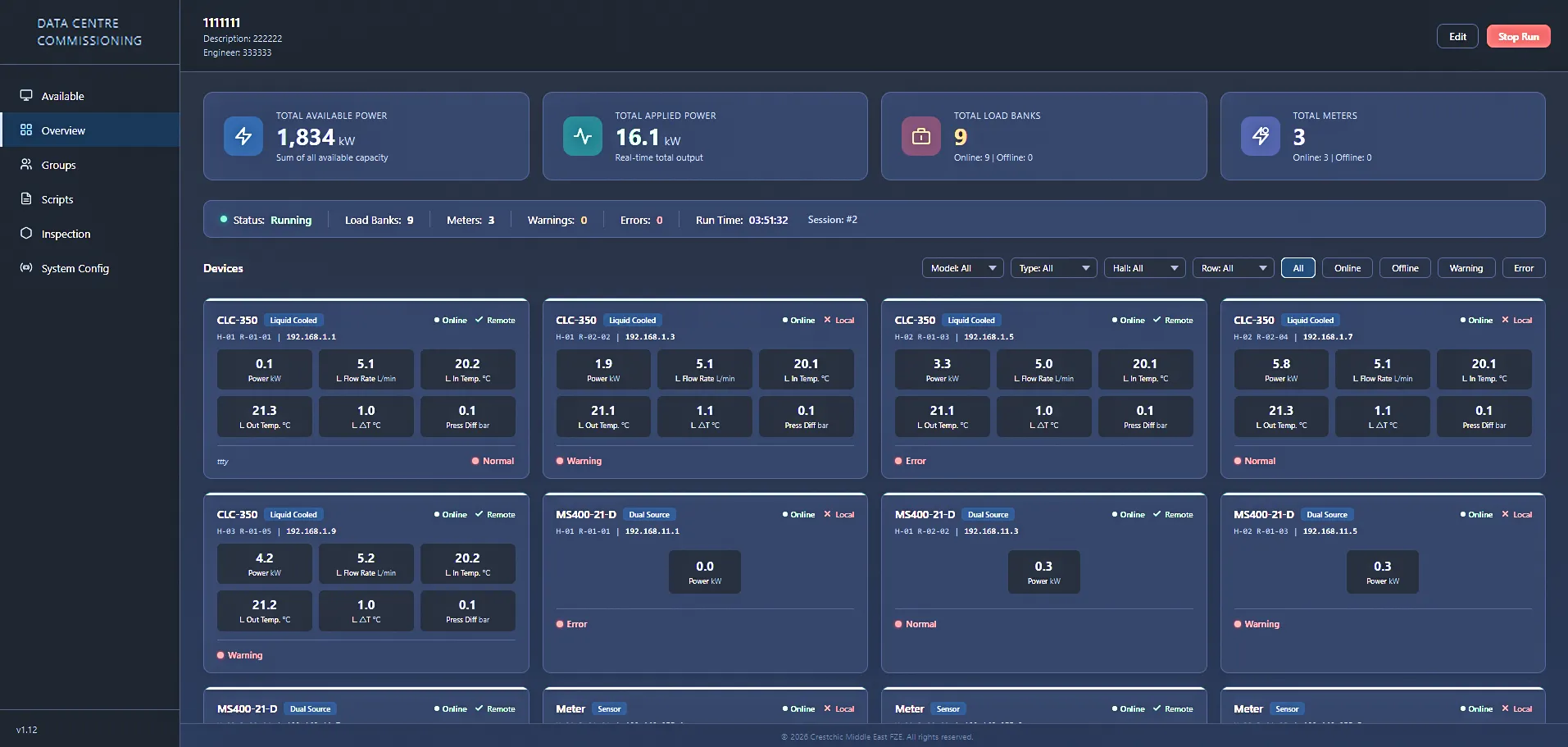
Control Software Validation
PC software, monitoring screens, alarm records and report export are configured before dispatch.
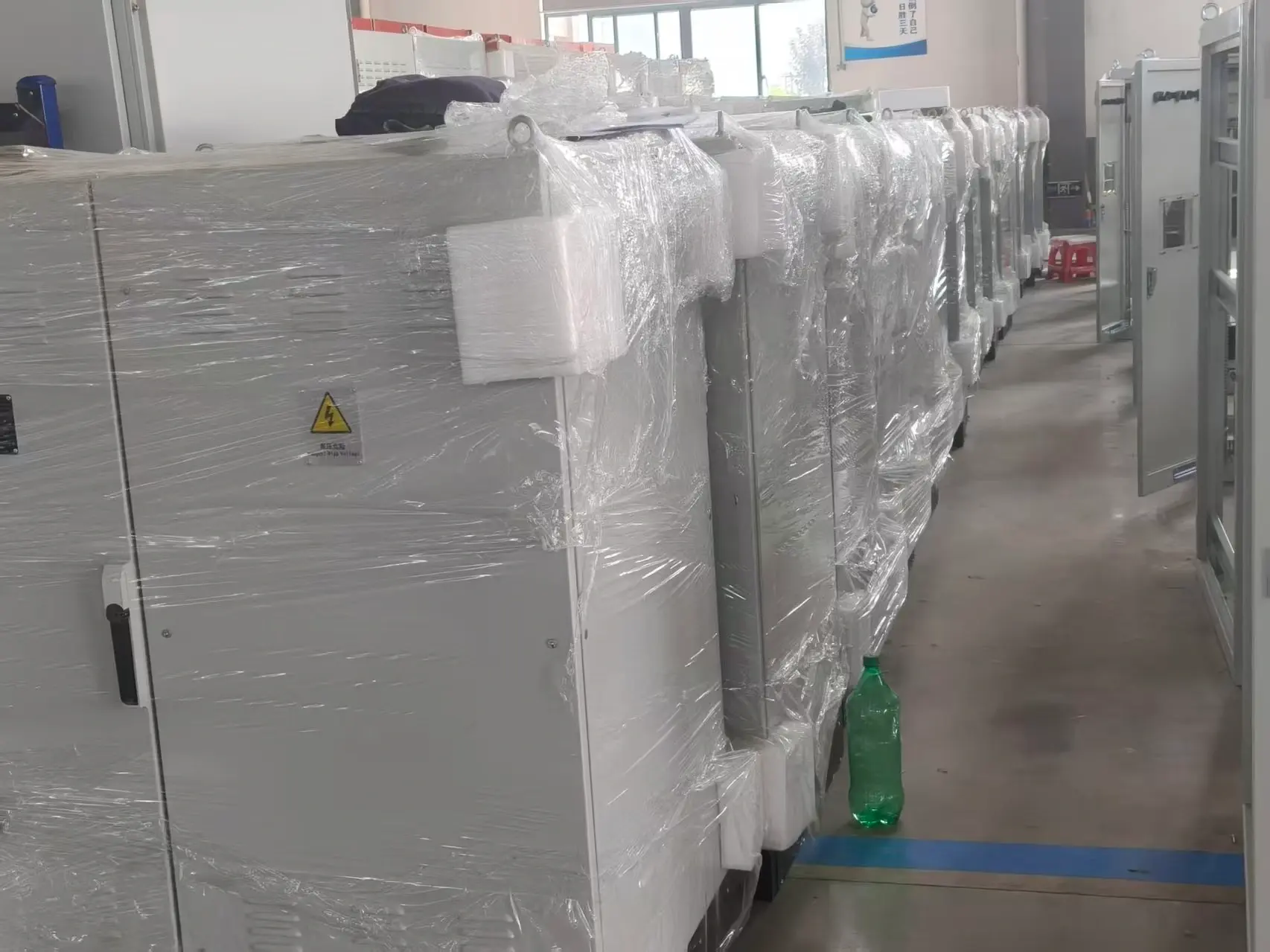
Export Packaging
Units are protected, packed and documented for overseas delivery according to confirmed project scope.
Applications for ESS, UPS and Industrial Battery Systems
ESS Battery Pack Testing
Run charge/discharge profiles for ESS packs, cabinet-level systems and production acceptance records.
UPS Battery String Testing
Verify backup battery capacity with lower heat impact than a purely dissipative discharge system.
PCS and Bidirectional Inverter Validation
Support test plans where battery packs, PCS operation and grid interaction need coordinated verification.
Cycle Life and SOH Testing
Collect repeated cycle data to evaluate capacity fade, energy throughput and state-of-health trends.
Factory Acceptance Testing
Use controlled profiles and exportable reports for battery system FAT before shipment.
Data Centre Battery Rooms
Use regenerative testing where long-duration discharge heat and noise must be reduced.
What to Send for a Regenerative Battery Tester Quote
- Battery type, pack capacity and DC voltage range.
- Maximum charge current, discharge current and required power.
- Required modes: CC, CV, CP, CR, pulse, dynamic or cycle aging.
- Number of channels or parallel-unit requirement.
- BMS, CAN, Modbus or TCP/IP communication requirements.
- AC grid voltage, frequency and site protection limits.
- Report format: PDF, Excel, CSV or project-specific record.
- Destination country and documentation requirements.
Procurement Process
- Send the battery test requirementBidirvolt checks voltage, current, power, test mode and grid connection conditions.
- Confirm configurationThe tester rating, control method, interface and protection logic are matched to the project.
- Factory test and documentationSoftware, grid feedback behavior, alarms and report export are checked before shipment.
- Delivery and site setupThe site prepares DC connections, AC grid supply, protection coordination and test plan.
- Commissioning and recordsThe validation sequence is run and exported data is used for acceptance files.
Regenerative Battery Tester FAQ
What DC voltage range does the regenerative battery tester support?
Typical project configurations cover 100V-800V DC. Extended ranges can be evaluated when the battery pack voltage window is provided.
What test modes are available?
The system can support CC, CV, CP, CR, pulse, dynamic profile and repeated cycle testing depending on the selected configuration and software scope.
Can discharge energy be returned to the grid?
Yes, the tester is designed for regenerative discharge where suitable grid conditions and protection coordination are available. Final feedback behavior is confirmed during project confirmation and factory testing.
Can it connect with BMS or automation software?
Project communication can include Modbus RTU/TCP, TCP/IP and other confirmed interfaces. Share the BMS protocol requirement during quotation.
What information is needed for a quotation?
Send the battery voltage range, charge/discharge current, power rating, test modes, communication protocol, grid voltage, number of channels and report requirements.
Request a Regenerative Battery Tester Configuration
Send your DC voltage range, battery capacity, charge/discharge current, required power, grid supply and test sequence. Bidirvolt will check the configuration and respond with a project-specific recommendation.
Request Configuration