

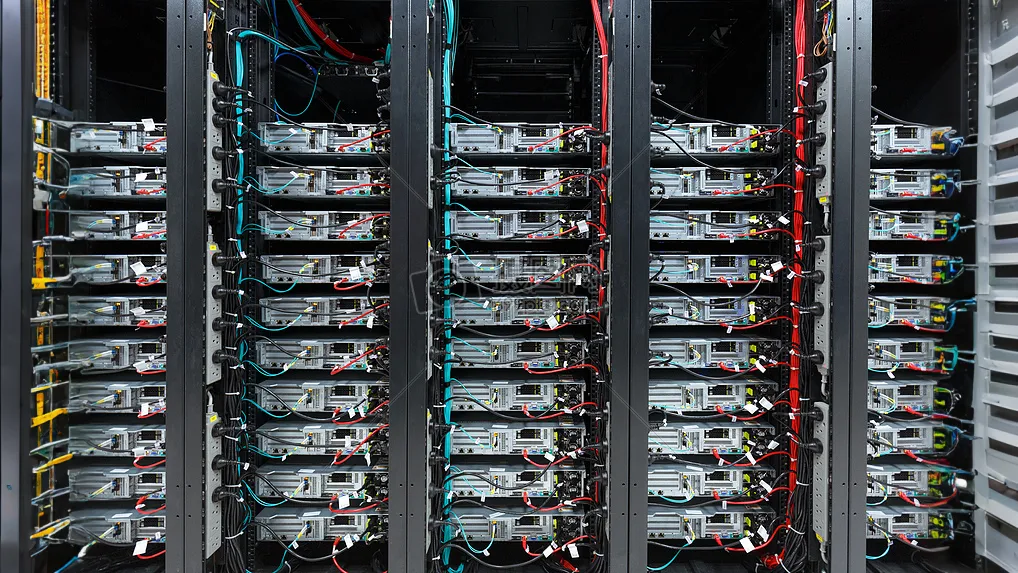
AI clusters, cloud platforms, financial systems, manufacturing workloads, and government services all rely on stable data center power infrastructure. For a new facility, the real test is not whether the equipment has been installed. The real test is whether the power, backup power, cooling, monitoring, and switching systems can operate together under realistic load.
That is why data center load bank testing is often treated as the last serious checkpoint before commissioning. A multi-hour or multi-day load test can reveal weak electrical connections, abnormal temperature rise, UPS behavior, generator transition issues, cooling shortfalls, power quality problems, and capacity limits before servers are installed.
Why Data Center Load Bank Testing Matters
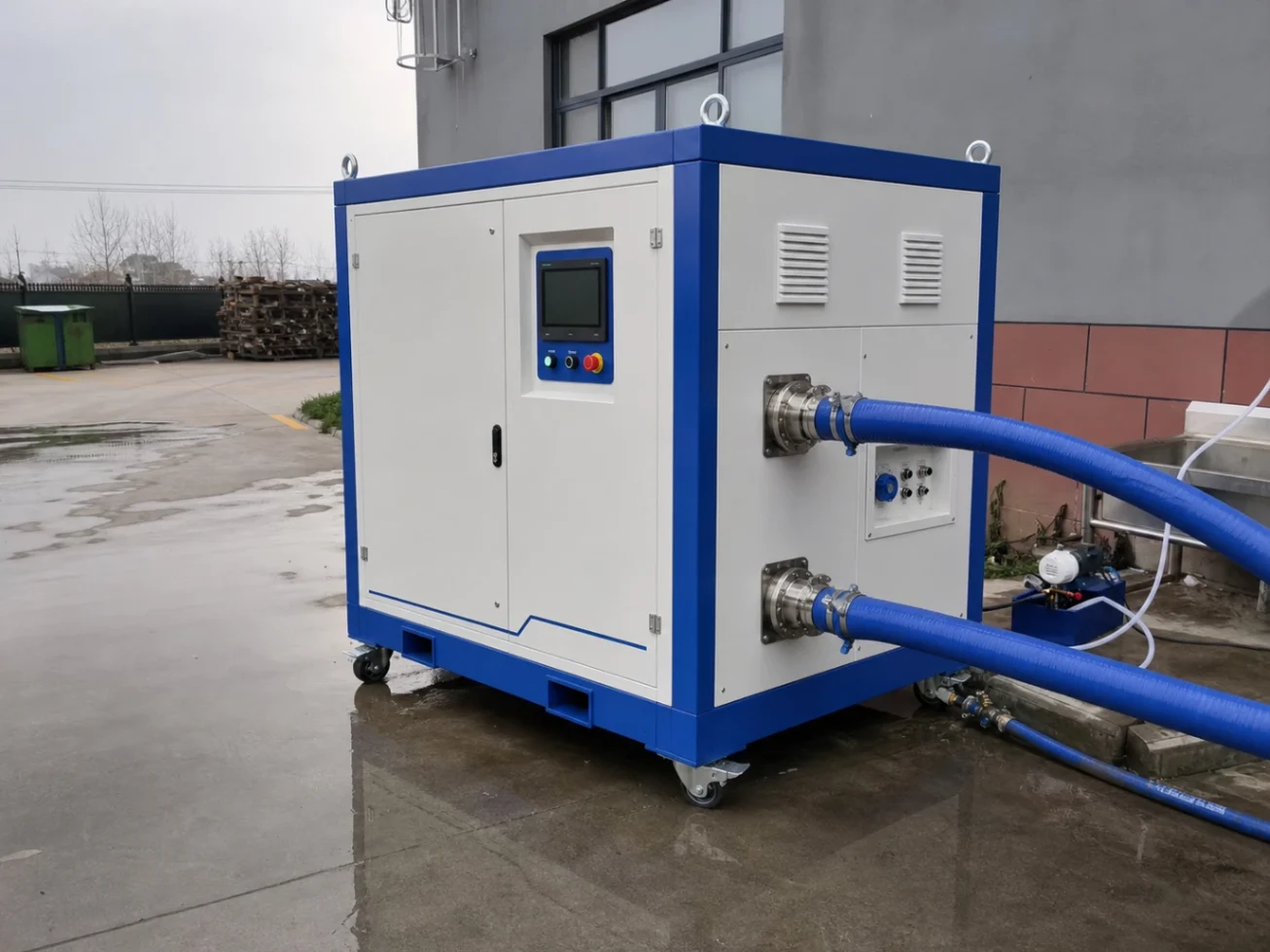
A data center has very little tolerance for power instability. Even a short power event can interrupt services, corrupt data, or create expensive recovery work. Before IT racks go live, commissioning teams use load banks to simulate the electrical demand and heat output of future server loads.
A proper test normally validates the UPS system, diesel generator, switchgear, busway, distribution cabinet, PDU, battery system, precision cooling, and monitoring platform as one operating system.
Common test objectives include:
- Confirm that the UPS can carry staged load and full load without instability.
- Verify mains-to-generator transfer and generator-to-UPS coordination.
- Check temperature rise at busway joints, breakers, cables, and switchgear contacts.
- Confirm that the cooling system can remove the simulated IT heat load.
- Measure voltage fluctuation, harmonics, imbalance, and other power quality indicators.
- Validate installed power distribution capacity against the design requirement.
- Establish an early operating baseline for PUE and energy efficiency work.
Large data center tests are rarely about one device. They are about whether the entire electrical and mechanical chain can work together under the expected operating profile.
The Most Valuable Output Is The Test Data
Many projects finish a load test with a signed report and very little usable operating data. That is a missed opportunity. During a load bank test, the facility produces a first real record of how the site behaves under controlled stress.
Useful data may include:
- Load rate changes across distribution circuits.
- UPS efficiency, output stability, alarms, and operating mode.
- Generator output stability and transition behavior.
- Temperature curves at busway joints and switchgear contacts.
- Voltage fluctuation, harmonic distortion, and phase imbalance.
- Cooling system response, energy consumption, and return air temperature.
- Battery charge and discharge behavior during backup scenarios.
If this information remains only in meters, manual sheets, or a one-time PDF, its value drops quickly after handover. When it is collected, stored, and analyzed, it becomes the first operating health record for the data center.
Data Center Risk Often Hides In Small Details
Many facility failures do not appear suddenly. They develop slowly through heat, vibration, aging, overload, poor connection quality, or insufficient monitoring.
A loose busway joint can create continuous local heating.
A UPS running at the wrong load level may operate with lower efficiency.
A distribution cabinet running near its limit can accelerate component aging.
Excessive harmonics can affect sensitive electrical equipment.
A weak battery string may only become obvious during a real transfer event.
These problems may not create an immediate outage, so they are easy to miss. A controlled load bank test makes those weaknesses easier to see while the site is still in a safe commissioning window.
Monitoring Should Continue After The Load Test
Load bank testing is only the starting point. A mature data center needs monitoring and energy management across construction, acceptance, and operation.
Power distribution should be visible
High-voltage distribution, low-voltage distribution, UPS systems, generators, transformers, switchgear, and PDUs should provide clear operating data. The operations team should see changes in current, voltage, load rate, and temperature before those changes become failures.
Electrical safety needs continuous monitoring
Busway joints, cable terminals, breakers, and switchgear contacts are important electrical safety points. Manual infrared inspection has value, but it can miss short-lived or developing anomalies. Online temperature monitoring, leakage monitoring, fire power monitoring, humidity, water leak, and smoke detection can provide earlier warning.
Energy consumption must be measurable
Electricity is one of the largest long-term data center costs. Without separate measurement of IT load, cooling, lighting, UPS losses, and distribution losses, it is difficult to know where energy is being used.
PUE is not a one-time number produced during a single test. It is a performance result that improves only when long-term data is measured and acted on.
Operations should move from manual discovery to system alerts
Traditional operation relies on manual inspection, paper records, and personal experience. A digital platform can manage asset files, inspection plans, alarms, maintenance records, work orders, energy reports, and maintenance recommendations in one place.
Green Data Centers Depend On Continuous Management
Many new data centers buy efficient UPS systems, high-performance cooling equipment, and modern servers. Yet after operation begins, some sites still fail to reach the expected energy performance. The problem is often not one weak device. It is the absence of continuous data management.
Without measurement, the facility cannot identify the largest energy consumers.
Without analysis, equipment efficiency loss stays hidden.
Without historical trends, failure prediction becomes guesswork.
Without energy management, efficiency work becomes a slogan rather than a process.
Future data center competition will not be about compute scale alone. It will also depend on energy utilization, operating discipline, and the ability to detect risk early.
The Real Meaning Of A Pre-Go-Live Stress Test
Load bank testing verifies equipment and system behavior. Continuous monitoring determines long-term operating quality. Every current reading, temperature rise, transfer event, and kilowatt-hour should be recorded, analyzed, and used.
When load bank test data is connected with power monitoring, electrical safety, energy analysis, equipment management, and maintenance workflow, the data center becomes easier to operate safely, reliably, efficiently, and sustainably.
Plan A Data Center Load Bank Test
Share your UPS capacity, generator rating, rack load target, cooling test requirement, and commissioning schedule. Bidirvolt can help select a suitable load bank configuration for power and heat load validation.
Request Load Bank Testing SupportFAQ
What is data center load bank testing?
Data center load bank testing uses controlled electrical loads to simulate IT equipment demand and heat output before live servers are installed. It helps validate UPS, generators, power distribution, cooling, and monitoring systems.
Why test before IT equipment is installed?
Testing before server installation allows the commissioning team to find power, cooling, and thermal issues without risking real IT equipment or live customer workloads.
What systems are usually checked during the test?
Typical checks include UPS performance, generator transfer, switchgear operation, busway temperature rise, distribution capacity, PDU behavior, cooling response, power quality, and alarm reporting.
What data should be kept after commissioning?
Useful records include load profile, voltage, current, harmonics, temperature rise, cooling response, UPS status, generator behavior, battery data, alarms, and energy consumption.