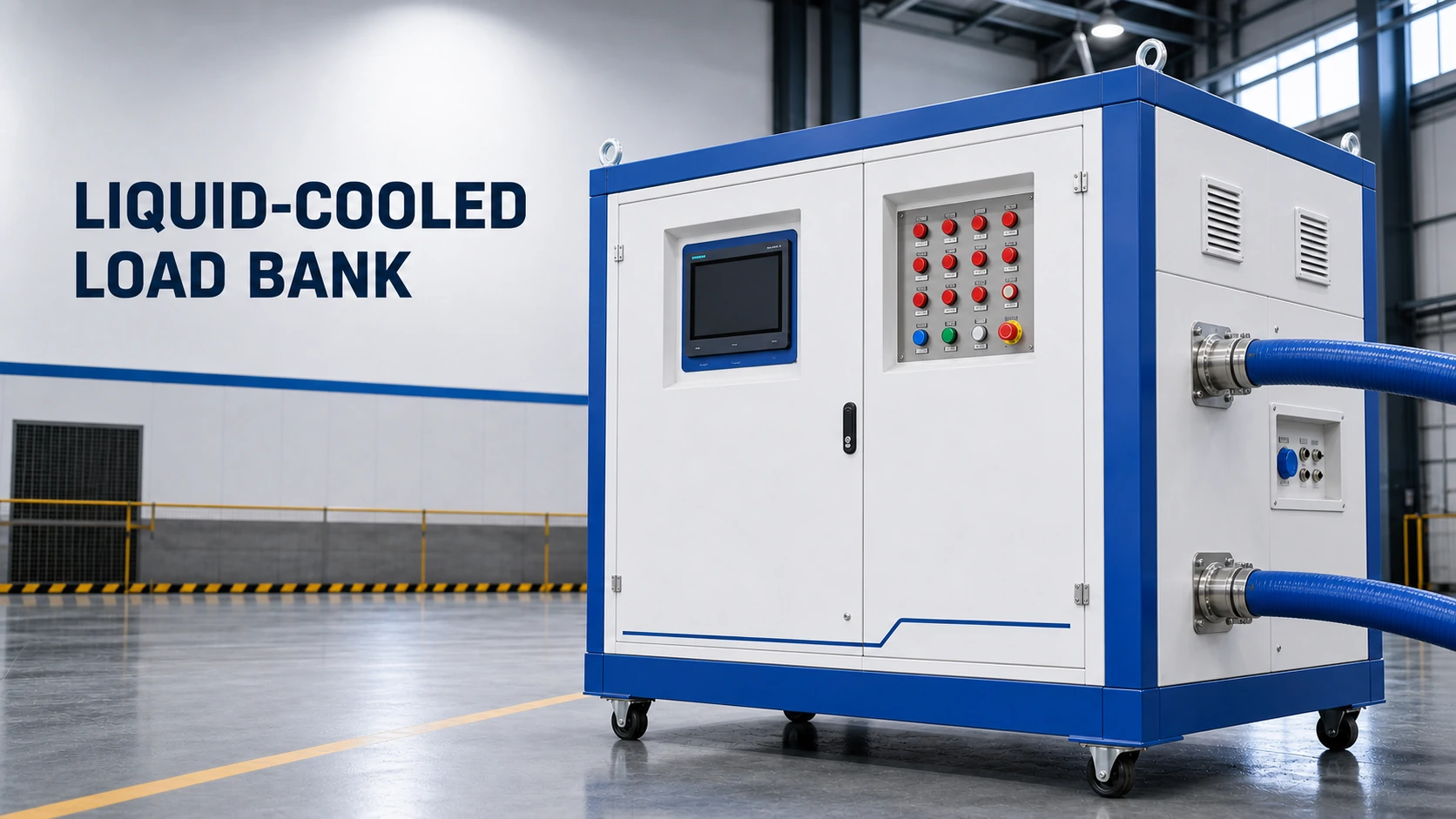
500kW Liquid-Cooled Load Bank Project for Data Center Cooling Tower Commissioning
How 60 custom-engineered units were designed, thermally validated, FAT-tested, and delivered for a European data center power and cooling commissioning program.
The Challenge
A European data center operator needed to commission its cooling tower infrastructure and power generation systems at the same time. The project required 60 units of 500kW liquid-cooled load banks, each capable of operating outdoors without additional shelter or site modification.
Air-cooled load banks were ruled out early. They discharge heat into the surrounding space, forcing the facility's own cooling system to remove extra thermal load during the test. A liquid-cooled approach transfers heat directly into the chilled water loop, which better supports load bank testing and commissioning for cooling infrastructure.
Why liquid-cooled, not air-cooled? Air-cooled units release heat into the room. Liquid-cooled units put the heat into the chilled water loop, so the cooling system is tested under more realistic operating conditions from the start.
Custom Engineering
Every unit was designed around the site's physical constraints and the project's testing objectives.
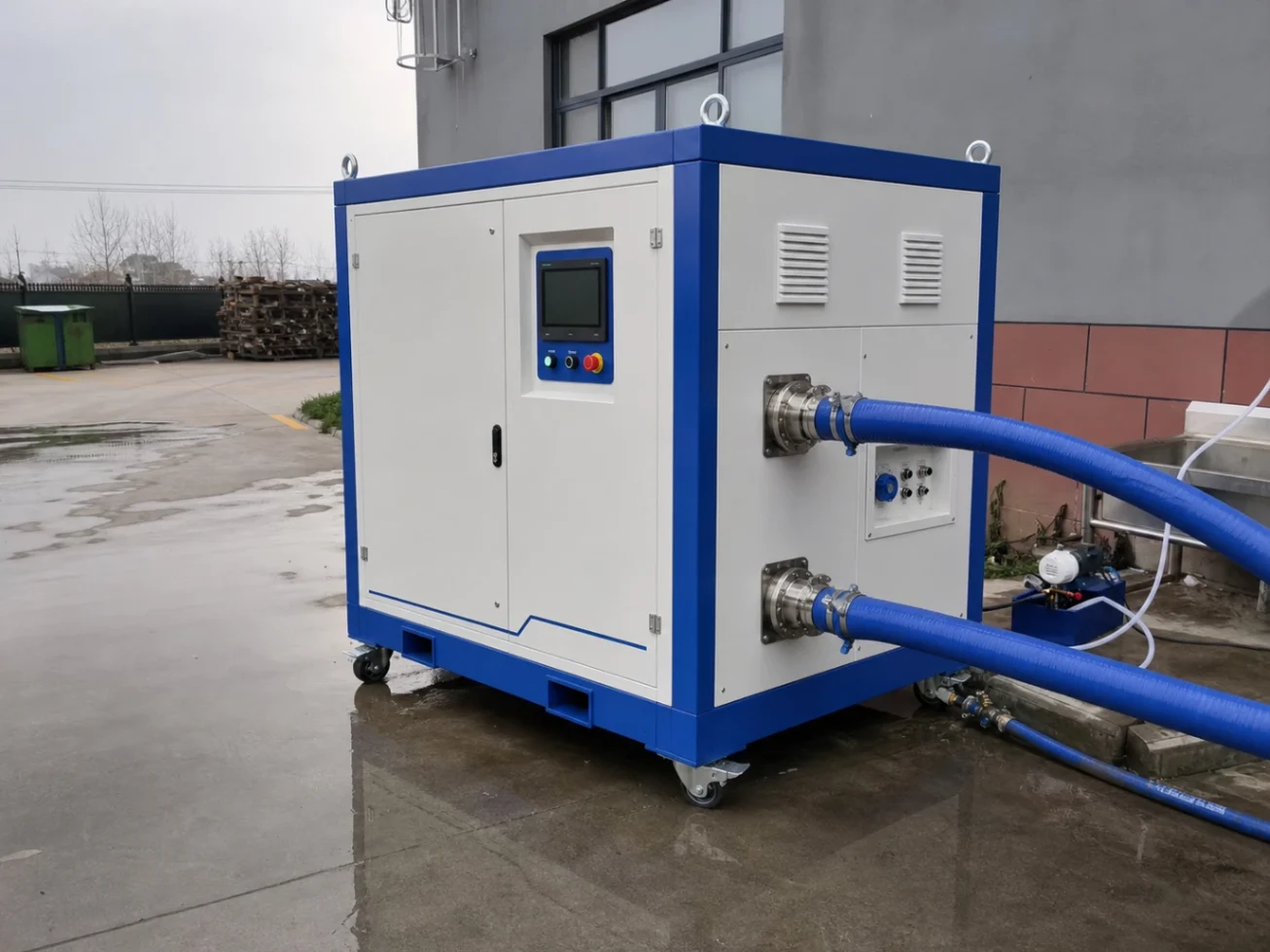
Inlet and outlet ports on the left side of the enclosure, DN100 flanged connections
Physical Layout
The deployment area dictated a bottom-inlet, top-outlet coolant flow path, with both inlet and outlet ports positioned on the left side of the enclosure. This orientation aligned with the site's existing piping runs and minimized on-site modification.
Outdoor Deployment
Fully Enclosed
No additional shelter required. The unit can be placed directly adjacent to the cooling tower.
316 Stainless Steel
Tank body and all piping in molybdenum-alloyed 316SS for corrosion resistance in outdoor, humid environments.
DN100 Flanges
Standardized connections that interface with most existing chilled-water piping without adapters.
No Site Restrictions
Self-contained outdoor unit with no need for temporary structures, roofing, or weather protection.
Control System
All control components were specified from established industrial brands: Siemens PLC with a matched HMI display, ABB relays, and contactors rated for the full load current. Step-load adjustments respond quickly and are reflected on the display in real time. Three control methods are available:
- Local HMI touchscreen
- Local push-button panel
- Ethernet-connected upper computer for remote monitoring and control
Key Specifications
| Parameter | Specification |
|---|---|
| Power Rating | 500 kW |
| Cooling Medium | Water / Water-glycol |
| Flow Path | Bottom-in, top-out (left-side ports) |
| Pipe & Tank Material | 316 Stainless Steel |
| Flange Connection | DN100 standard |
| Control System | Siemens PLC + ABB relays |
| Control Methods | Local HMI / Local buttons / Ethernet remote |
| Monitoring | Inlet/outlet temperature, flow rate, pressure |
| Deployment | Outdoor, fully enclosed, no temporary shelter required |
| Certifications | CE / IEC |
Prototype Testing & the Thermal Challenge for a 500kW Load Bank
The first prototype passed electrical and functional checks, but thermal testing revealed a critical issue: uneven temperature distribution inside the coolant tank. Certain zones reached temperatures above the design threshold while others remained undercooled, meaning the load bank's heat output was not being transferred uniformly into the coolant stream.
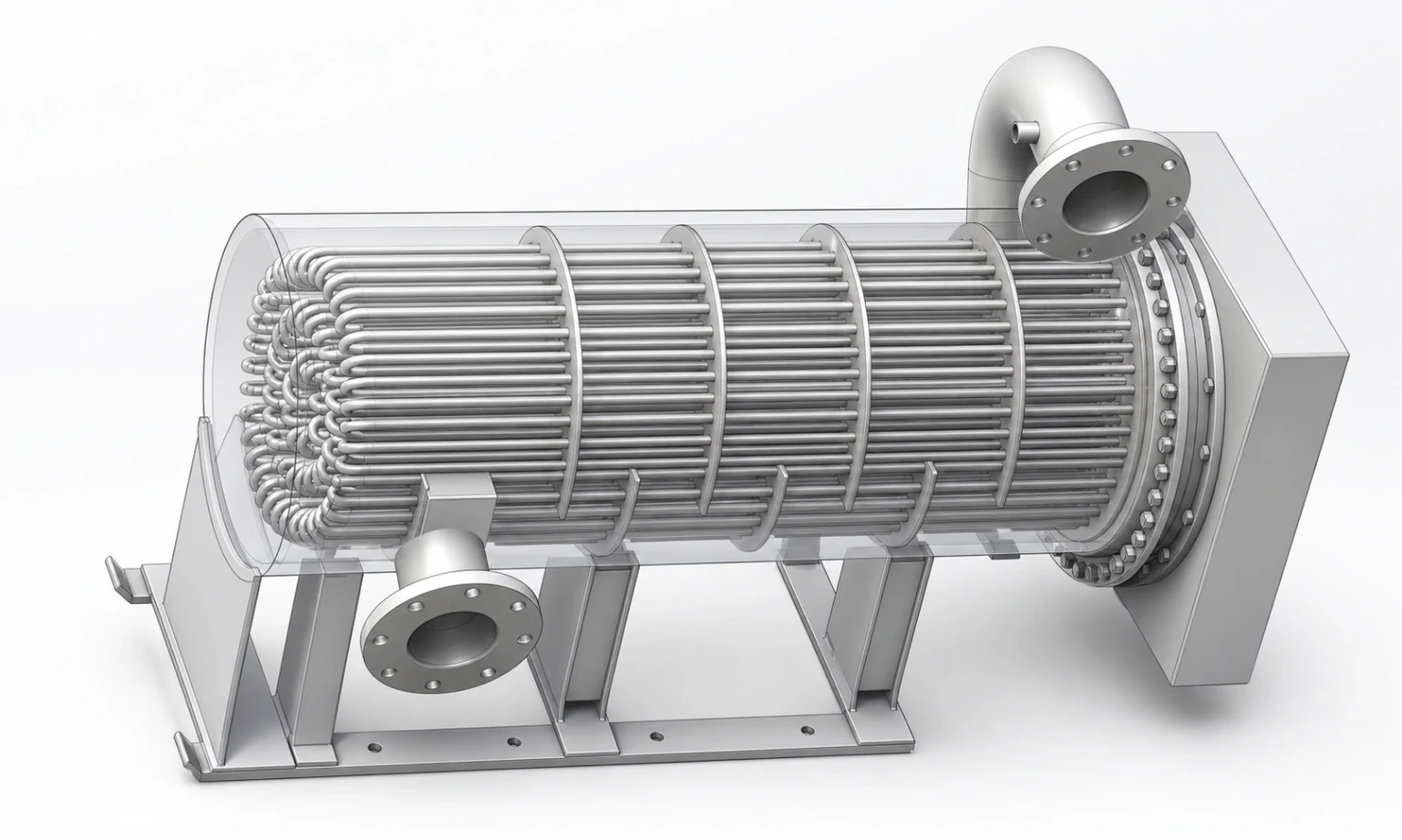
Specialized baffles inside the coolant tank force coolant through a defined channel, eliminating dead zones
The Fix: Internal Flow-Path Redesign
Increasing pump capacity was considered but rejected. It would have raised energy consumption without addressing the root cause. Instead, the internal geometry was redesigned:
- Specialized baffles were installed inside the tank, forcing coolant through a single, defined channel between inlet and outlet. This eliminated dead zones and short-circuiting flow paths.
- Temperature sensors were integrated into both the inlet and outlet piping, feeding real-time data to the upper computer.
- Flow-rate and pressure sensors were added alongside temperature monitoring, giving operators a complete thermal-hydraulic picture.
After iterative testing across the full 500 kW operating range, uniform thermal distribution was confirmed. Inlet-to-outlet Delta T matched the design target at every load step.
From diagnostic tool to product feature. The monitoring system added to verify the thermal fix became a permanent capability. Operators can now view real-time temperature, flow rate, and pressure, then export data directly for commissioning reports.
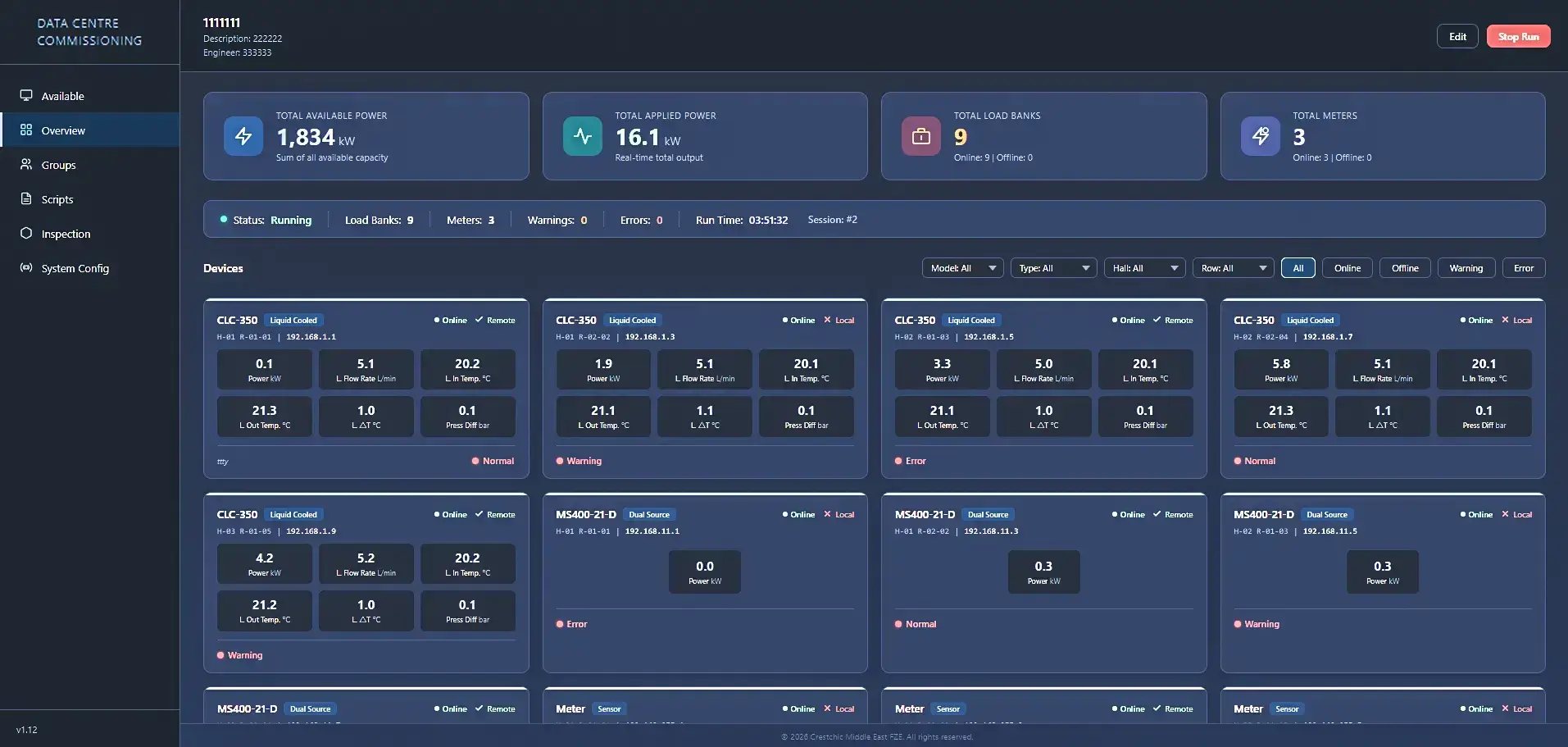
Upper computer interface: real-time thermal-hydraulic monitoring during commissioning
From Prototype to 60 Units
Once the prototype was validated with the client, the production phase began. Each of the 60 units underwent the same test sequence as the prototype:
- Full-load thermal distribution test
- PLC function verification across all control methods
- Step-load accuracy check
- Sensor calibration and upper-computer data validation
Delivering 60 identical units is more than a volume statement. It proves that the design, the thermal fix, and the quality controls are repeatable at scale. Every unit that left the factory met the same performance baseline as the prototype approved by the client.
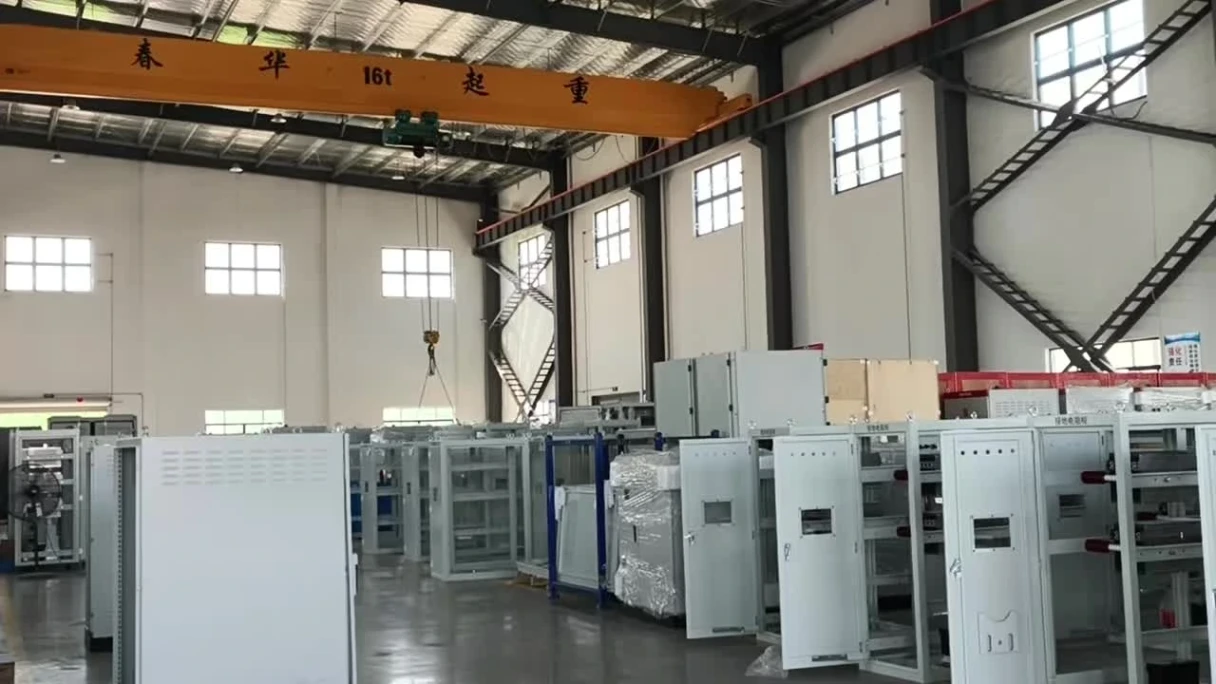
Each of the 60 units undergoes the same full-load test sequence as the prototype
Certification & Delivery
All 60 units passed CE and IEC certification requirements. Each unit was individually inspected, marked, and packed into shipping containers for sea freight to the client's European facility.
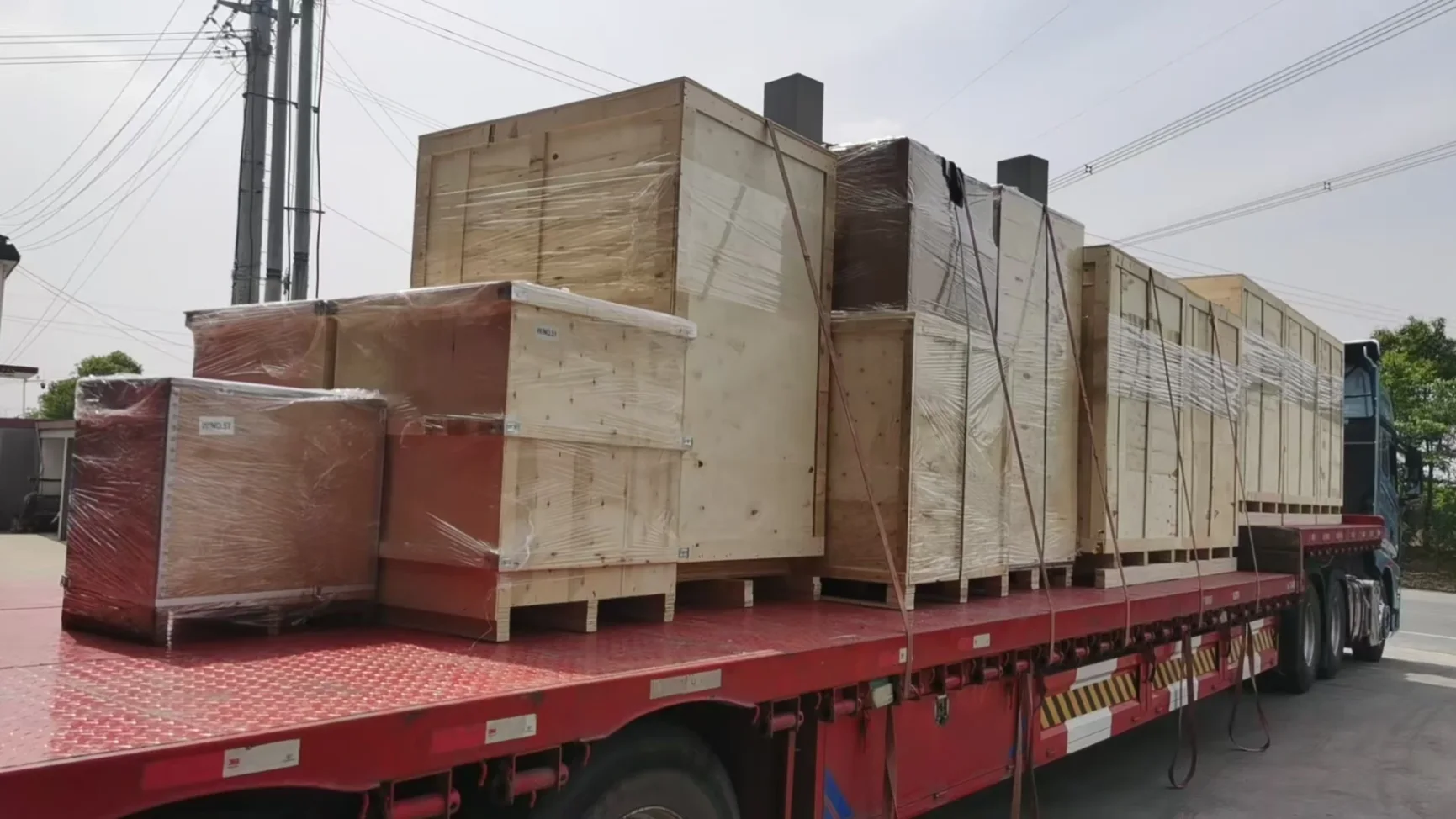
Certified, packed, and ready for sea freight
FAQ: 500kW Liquid-Cooled Load Banks
Can a liquid-cooled load bank test both power and cooling systems at the same time?
Yes. The unit draws electrical load from generators or UPS while injecting thermal energy into the chilled water loop, enabling combined commissioning of both systems in a single test session.
Can liquid-cooled load banks be deployed outdoors?
Yes. These units are fully enclosed in 316 stainless steel housings and rated for outdoor deployment without additional shelter or weather protection.
What coolant flow rate does a 500kW unit require?
Flow rate depends on the design temperature differential. The upper computer displays real-time flow data, allowing operators to verify that site conditions meet the required flow rate before testing begins.
Is remote monitoring available?
Yes. An Ethernet connection enables full remote control and real-time monitoring of temperature, flow rate, and pressure from an upper computer, including data export for commissioning reports.
Need a liquid-cooled load bank for a data center commissioning project? Send your power rating, voltage, coolant type, flow requirement, site conditions, and cooling infrastructure details.
Request a Quote