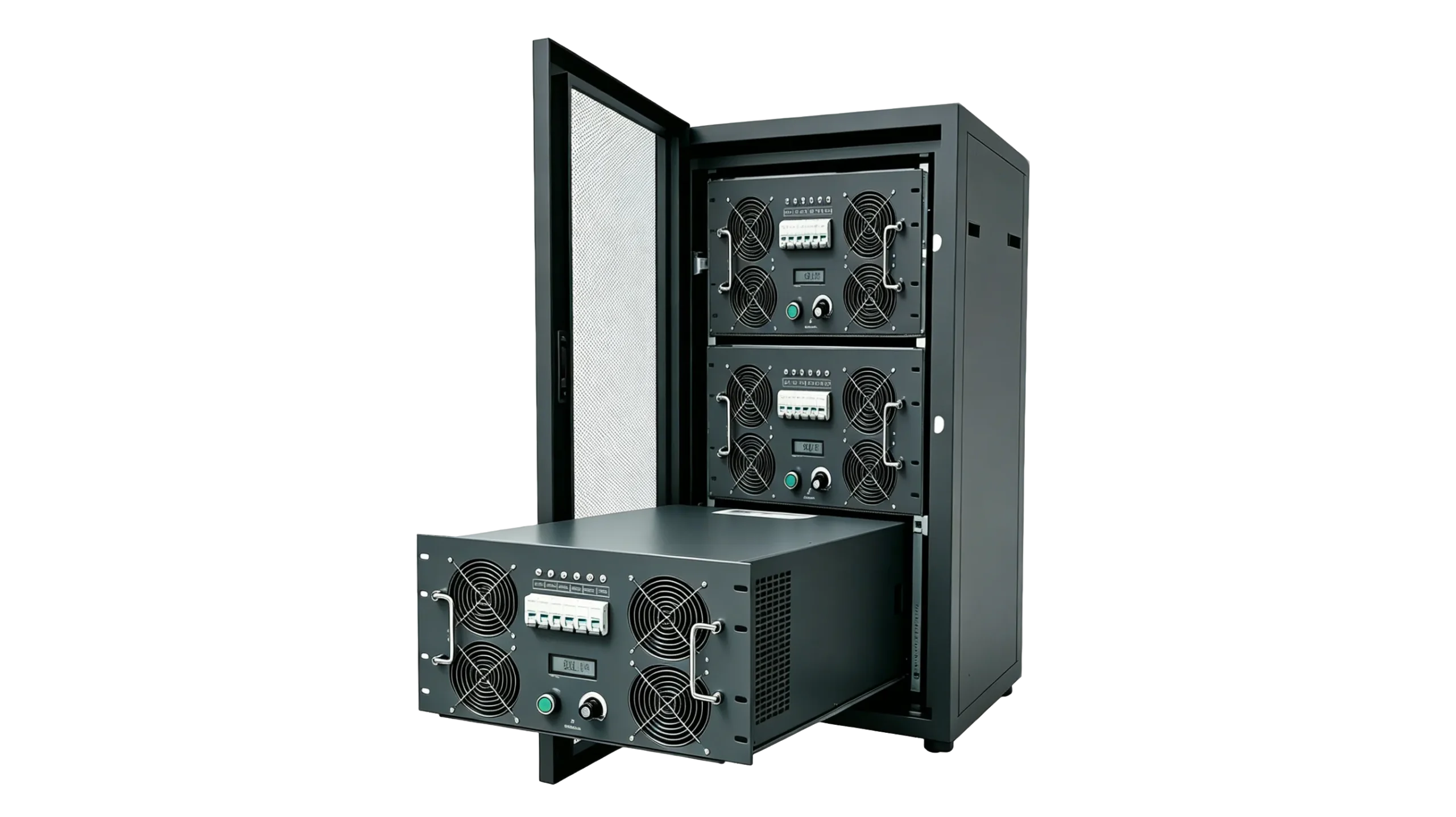
A rack mount load bank is used in a UPS room to test backup power without putting live IT equipment at risk. It applies a controlled load to the UPS output, PDU path, or battery string so engineers can check voltage stability, battery runtime, alarms, and heat behaviour before a real outage happens.
For regional facilities, the main use case is practical: compact electrical rooms, warm ambient conditions, and short shutdown windows. A rack mounted load bank fits into a 19-inch cabinet or test rack, making UPS testing easier in data centres, hospitals, telecom rooms, commercial buildings, and industrial facilities.
Where It Goes and How It Connects
The rack mount load bank is usually installed in a fixed test cabinet, a maintenance rack, or near the UPS output panel. Some facilities add a dedicated test point so routine checks can be done without moving critical equipment.
Use an AC rack mount load bank for UPS output testing, PDU validation, and branch circuit checks. Use a DC rack mount load bank for battery discharge testing, runtime verification, and battery string health checks.
Before energising the test, confirm the voltage range, AC or DC type, power rating, cable size, breaker protection, grounding, airflow direction, emergency stop method, and site permit requirements.
Typical UPS Room Test Procedure
- Confirm UPS capacity, voltage, battery condition, load target, and test duration.
- Inspect cables, terminals, breakers, grounding, clearance, and room ventilation.
- Connect the rack mount load bank to the UPS output, PDU path, or battery system.
- Set the required load steps, such as 25%, 50%, 75%, and 100%.
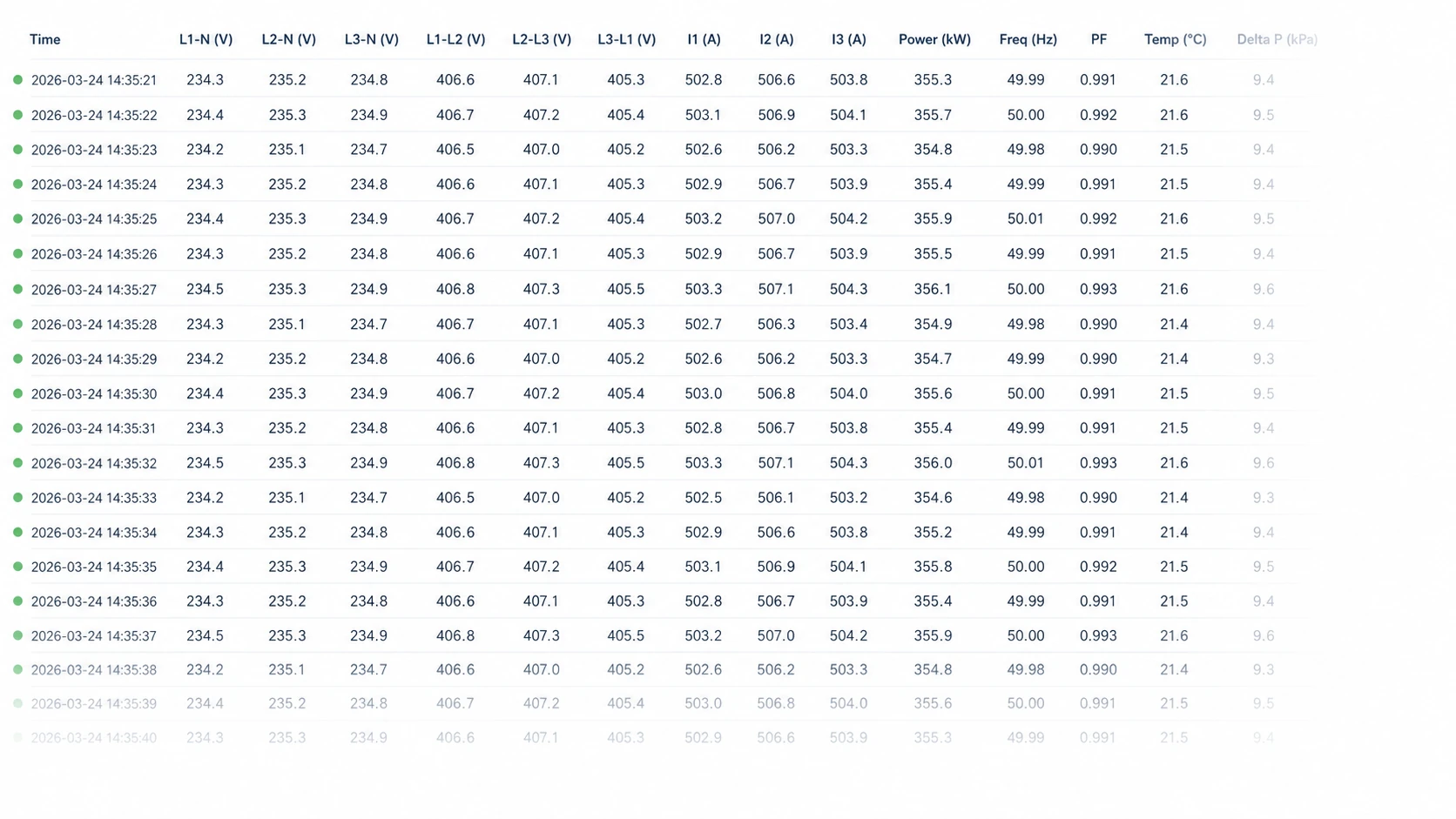
- Monitor voltage, current, frequency, temperature, battery voltage, runtime, and alarms.
- Remove the load, allow cooling time, isolate safely, and complete the test report.
What Engineers Check During the Test
A good UPS room test is not only about whether the UPS can carry load. The useful data is what happens while the load is being applied.
- UPS output voltage and current
- Frequency stability and load step response
- Battery voltage drop and discharge curve
- Actual runtime at the planned load level
- Cabinet temperature and exhaust airflow
- Fan status, alarms, trips, and protection actions
- Bypass transfer or inverter response where applicable
When It Is Most Useful
A rack mount load bank is most useful after battery replacement, UPS repair, PDU modification, project handover, or scheduled preventive maintenance. It gives the facility team a controlled way to prove that the UPS, battery string, breakers, cables, PDU path, monitoring system, and alarms work together under load.
For tropical UPS rooms and busy facility sites, battery testing should also account for heat, humidity, ventilation, and safe discharge limits. These site conditions often affect real backup performance more than the nameplate rating suggests.
Specs to Confirm Before Testing
Match the UPS output or battery string voltage, including the expected operating range during discharge.
Use AC for UPS output and PDU validation. Use DC for direct battery discharge testing.
Choose steps that match the test plan, such as commissioning checks, runtime tests, or staged maintenance loads.
Confirm intake and exhaust direction so heat is not blown toward batteries, UPS modules, or control panels.
Check cabinet depth, mounting rails, cable bend radius, and service access before installation.
Local control, HMI, remote control, Modbus, Ethernet, and data export can make routine tests easier to repeat.
Video Demo Block
A strong demo video should show rack installation, cable connection, controller setup, step load operation, fan operation, and test data recording. Suggested title: Rack Mount Load Bank Demo in UPS Room Testing.
FAQ: Rack Mount Load Bank for UPS Room Testing
How is a rack mount load bank used in a UPS room?
It is connected to the UPS output, PDU circuit, or battery system to apply a controlled load and verify UPS performance under realistic operating conditions.
Can a rack mounted load bank test UPS batteries?
Yes. A DC rack mount load bank can be used for UPS battery discharge testing, runtime verification, and battery capacity checks.
Should UPS room testing use an AC or DC rack mount load bank?
Use an AC rack mount load bank for UPS output testing and PDU validation. Use a DC rack mount load bank for direct battery discharge testing.
What data should be recorded during UPS load testing?
Record voltage, current, frequency, battery voltage, runtime, temperature, load steps, alarms, trips, and protection actions.
Can a rack mount load bank be permanently installed in a UPS room?
Yes. It can be installed as a fixed test device for routine maintenance, PDU checks, and repeated battery testing, as long as ventilation, protection, and access are properly designed.
Need a Rack Mount Load Bank for a UPS Room?
A rack mount load bank can be configured for AC UPS output testing, DC battery discharge testing, fixed cabinet installation, remote control, and data recording. For compact UPS rooms and planned maintenance work, the key is to match voltage, power rating, load steps, cooling direction, and runtime with the real site workflow. Send your UPS room test details to LBT Power.